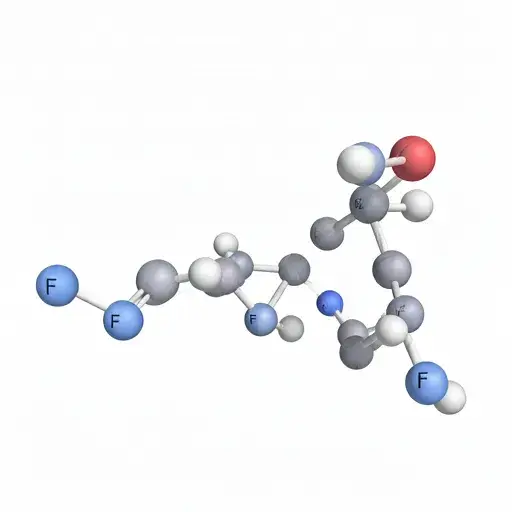
PFA
Perfluoroalkoxy Alkane
PFA is a semi-crystalline thermoplastic fluoropolymer made by copolymerizing tetrafluoroethylene (TFE) with
a small amount of perfluoroalkyl vinyl ether (PPVE or similar monomers).
Essentially, it is a “melt-processable modified version” of PTFE (polytetrafluoroethylene).
Chemical Corrosion
Resistance
High Insulation
Strength
Core Material Advantages
260°C High-Temp
Resistance
Stable long-term service across a wide temperature range from -200°C to +260°C.
Chemical
Inertness
Resists almost all strong acids, strong bases, and organic solvents.
Ultimate High
Purity
No additives, extremely low leaching; suitable for ultra-clean applications.
Dielectric
Insulation
xcellent dielectric constant, ideal for high-frequency signal transmission.
Self-lubricating
& Non-stick
Ultra-low surface energy prevents material buildup and cross-contamination.
MOLECULAR STRUCTURE
Next-Gen Molecular Architecture
The Evolution of Fluoropolymers
PFA (Perfluoroalkoxy) is a chemically modified copolymer of PTFE (Polytetrafluoroethylene). By integrating perfluoroalkoxy side chains, we have preserved the exceptional thermal stability and chemical inertness of PTFE while successfully overcoming its melt-processing limitations.
This unique molecular topology grants PFA enhanced crystallinity and transparency. Especially in ultra-pure fluid delivery systems for 3nm/5nm advanced semiconductor nodes, its exceptionally low metal ion leaching rate has established it as the industry's gold standard.
PFA Properties and Key Characteristics
| Property Dimension | Core Advantages & Performance |
|---|---|
| Temperature Resistance | Continuous service from -200°C to +260°C; Melting point ~305°C; Excellent low-temperature toughness |
| Chemical Resistance | Completely inert to strong acids (Aqua Regia, HF, etc.), strong bases, and organic solvents; Lower permeability than PTFE |
| Electrical Properties | Extremely low dielectric constant and dissipation factor; High dielectric strength; Flame retardant (UL94 V-0); Ideal for high-frequency/high-voltage applications |
| Surface & Mechanical | Ultra-low friction (Non-stick/Self-lubricating); High transparency; Superior creep resistance compared to PTFE (~10x flex life) |
| Other Properties | Biocompatible (FDA/EU compliance); Extremely low water absorption (<0.01%); Semiconductor-grade high purity |
| Comparative Summary | Higher heat resistance/cracking resistance than FEP; Significantly improved processability and transparency over PTFE |
| Advantages (Pros) | Disadvantages (Cons) |
|---|---|
| Combines the "Extreme Performance" of PTFE with the melt-processability of standard plastics. | High Cost (Significantly higher than standard engineering plastics; more expensive than PTFE/FEP). |
| Capable of forming complex precision parts; supports welding/reshaping; high purity and long service life. | Poor Wear Resistance (Low surface hardness, prone to scratching). |
| Broad application range; considered the "Gold Standard" for high-end semiconductor and chemical equipment. | High Processing Temperature (380–400°C); prone to thermal decomposition (releasing HF); high shrinkage rate (3–6%) requiring precision mold control. |
| - | Classified as PFAS; subject to tightening global environmental regulations; difficult to recycle; potential yellowing or loss of transparency over long-term exposure. |
| Comparison / Scenario | Selection Rationale & Core Logic |
|---|---|
| Vs. PTFE | When complex shapes, precision tolerances, welding, or high-volume injection molding are required, PFA is the only option that retains PTFE's performance while being "processable like a standard plastic." |
| Vs. FEP | Choose PFA when higher continuous service temperatures (260°C vs. 205°C) and superior environmental stress-cracking resistance (ESCR) are required. |
| Essential Scenarios | Ultra-high purity (non-contaminating) + highly corrosive environments + high temperatures + complex geometries (e.g., semiconductor fluid handling, lined valves, sterile medical components). |
| Core Logic Summary | "When you require the extreme resistance of PTFE but need actual manufacturing feasibility, PFA is the optimal solution." |
PFA Processing Techniques
| Item | Details |
|---|---|
| Core Highlight | True "Melt Processability" (unlike PTFE which requires sintering) |
| Processing Methods | Injection Molding, Extrusion, Blow Molding, Rotational Molding, Transfer Molding, Coating |
| Key Parameters | Melt Flow Index (MFI) matching specific processes; Processing temp 330–425°C; Requires corrosion-resistant equipment & slow cooling to control internal stress |
| Typical Grades | Everflon / DuPont, etc.; 403 (Compression), 410 (Extrusion Tubing), 420/430 (Injection & Extrusion), GC High-Purity series |
PFA Modification Directions
| Modification Category | Methods & Effects |
|---|---|
| Copolymerization | Adjusting side-chain ratios to optimize flowability and mechanical strength |
| Fillers / Composites | Glass/Carbon fiber for rigidity; Carbon black/Graphite for conductivity & anti-static; Masterbatches for coloring; Foaming for flame-retardant insulation |
| Post-treatment | End-group stabilization (Ammonia/Fluorine gas treatment to reduce unstable groups); Plasma surface modification to enhance bonding |
| Customization | High-purity, Low-extraction, Conductive, Anti-static, and Foamed grades |
Industry Applications
Semiconductor
Critical components for 3nm wafer wet cleaning, etching, and liquid delivery systems.
Chemical
Reactor linings, heat exchangers, and seals for anti-corrosion valves.
Medical
Laboratory analytical vessels and clean piping for pharmaceutical processes.
5G
High-frequency coaxial insulation and high-temperature electromagnetic wiring.
More Polymer Material…
LOOKING FOR MORE?
Explore material possibilities for your engineering projects based on your specific operating temperatures.
Ultra-High
Unmatched thermal and chemical durability in the most demanding conditions.
Advanced
Superior mechanical properties optimized for heavy industrial engineering.
Fluoropolymer
The absolute pinnacle of thermal and chemical resistance for critical environments.
Discuss Your Polymer Solution Needs
Ready for your next project? Complete the form to consult with our technical team.