
About Jekin Polymer
Engineering plastic materials backed by clear supply and technical support.
Jekin HPM (Jiangsu) Co., Ltd. supplies high-performance engineering plastics in rod, sheet and tube forms, with material documentation and drawing-based support for global industrial buyers.
Clear scope: Grade, filler, color, dimensions, availability and supporting documents are reviewed against each inquiry. Final material and finished-part approval remain with the buyer.
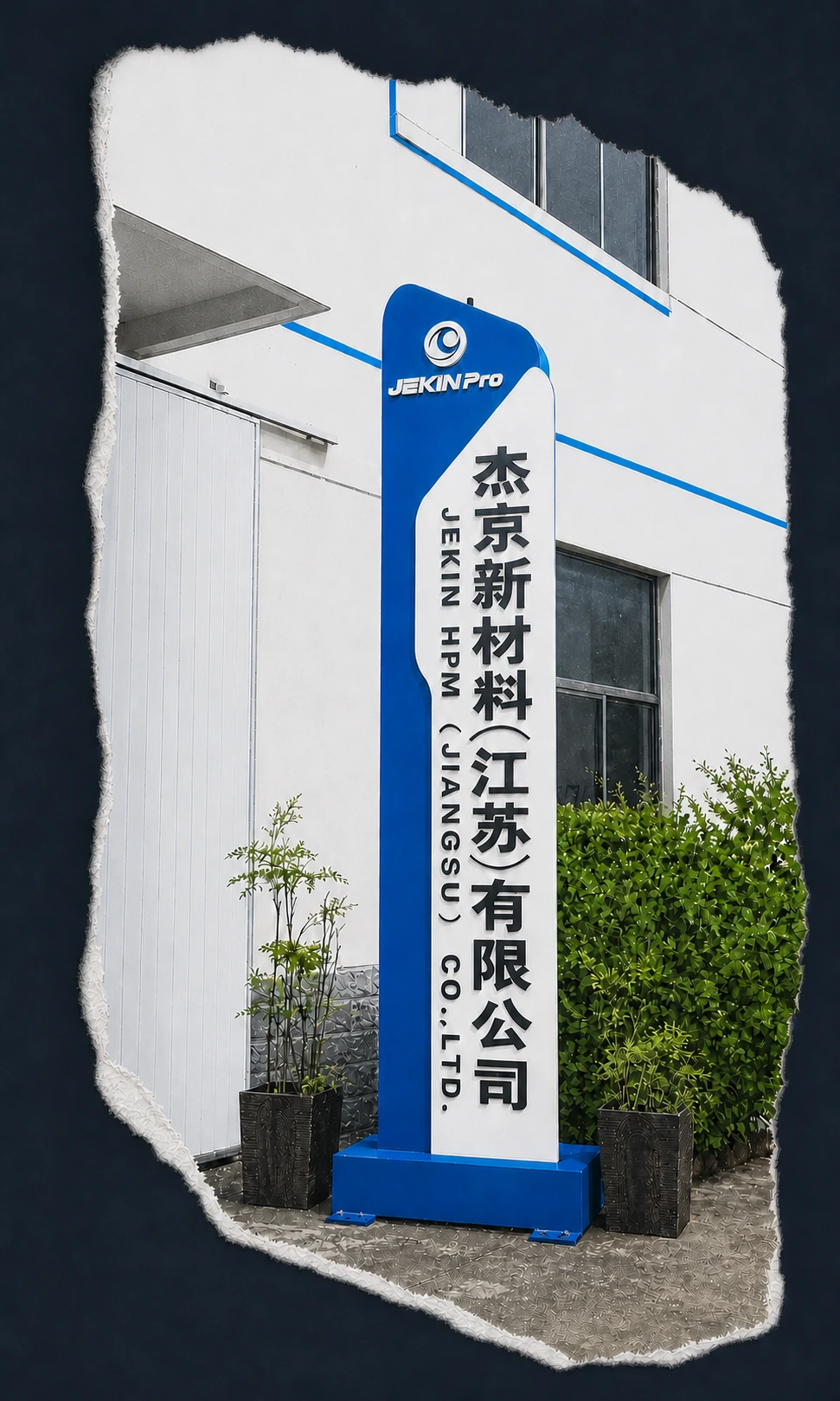
Who we are
A material supplier built around real procurement inputs.
A polymer family name is only the starting point. A usable quotation needs the grade, stock form, dimensions, quantity, service conditions and document requirements.
Jekin Polymer supports procurement and engineering teams sourcing high-performance engineering plastics for industrial components. Our work begins by turning a broad material request into a defined supply requirement that can be checked and quoted.
We review the requested polymer family, grade or performance direction, filler system, color, rod/sheet/tube dimensions, quantity, destination and documentation needs. If the material has already been approved, we focus on matching the purchasing specification. If selection is still open, we help organize the information needed to compare candidate materials.
Our role is to keep the supply conversation clear. Material documents support the supplied grade and batch; they do not replace final-part design, machining, testing or application approval.
What we supply
Three practical paths from material requirement to purchased item.
Start from a known polymer, a required stock shape or a drawing. Availability remains grade-, size- and quantity-specific.
High-performance and engineering plastic families
Material requests can begin with an approved polymer or with service conditions that need further screening. The exact grade and supporting documents are confirmed before supply.
- PI
- PAI
- PEEK
- PEI
- PPS
- PPSU
- PTFE
- PVDF
- POM
- PA
- PETP
- UHMWPE
Rods, sheets and tubes
Machining stock is reviewed by polymer, grade, color, diameter or thickness, length, quantity and required machining allowance.
Request stock availabilityCut sizes and machined components
Share the drawing, tolerance, quantity and material specification so the appropriate supply route and quotation scope can be reviewed.
Send a drawing requirementHow we work
A procurement path that keeps assumptions visible.
Each step is designed to separate confirmed requirements from items that still need buyer or supplier validation.
Receive the requirement
Material or performance direction, stock form, size, quantity, destination, application and required timing.
Clarify grade and form
Confirm the polymer family, exact grade where specified, fillers, color, dimensions and machining allowance.
Review availability and documents
Check the requested supply form and identify which technical or batch documents apply to the offered material.
Prepare the quotation
State the offered material, dimensions, quantity, commercial terms and any open points requiring confirmation.
Confirm before shipment
Align packaging, destination and agreed documentation with the approved purchase requirement.
Quality and documentation
Documents are matched to the supplied grade and batch.
Tell us what your purchasing or validation process requires before quotation. Availability and scope vary by material, grade and supply source.
Boundary: Supplier documents describe the supplied material. They do not certify the design, machining process, final component or end-use application unless that scope is explicitly documented.
- Technical data
Request the relevant TDS or grade information for engineering review. - Batch documentation
Confirm COA or other batch-related document requirements before ordering. - Material identification
Align polymer, grade, filler, color and supplied dimensions with the purchase specification. - Traceability scope
State the level of traceability required so it can be reviewed against the offered supply. - Packaging and destination
Identify shipment, labeling and packaging requirements before final confirmation.
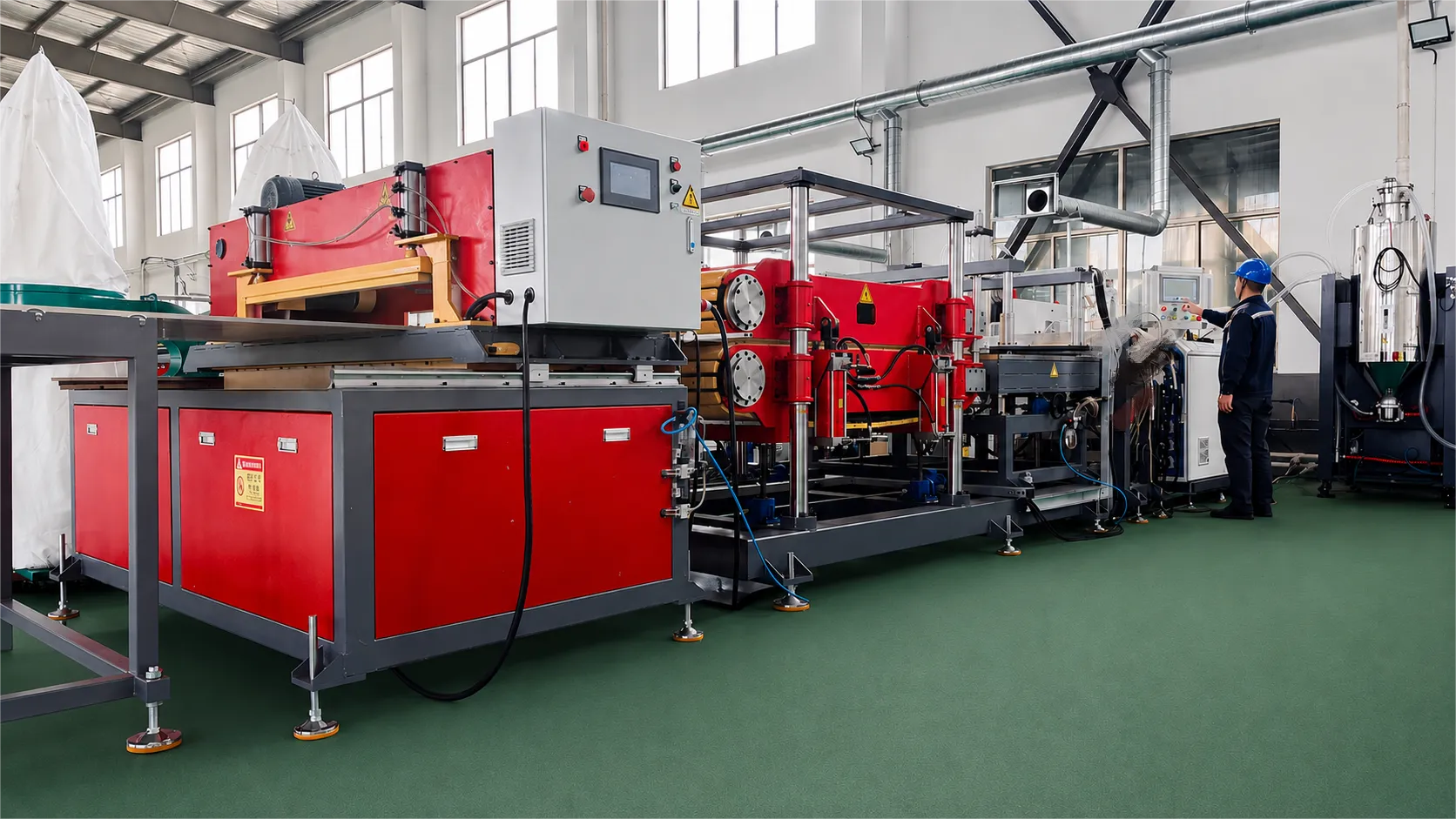
Facility view
Connect the material request to a defined supply route.
The production and supply discussion starts with the requested material family, grade, dimensions and quantity. These inputs determine which stock form, document set and commercial route should be reviewed.
For drawing-based requirements, include finished geometry, tolerance and machining allowance. For material-only orders, provide the rod, sheet or tube dimensions directly.
Image: engineering plastic production equipment published by Jekin Polymer. Specific production scope is confirmed with each quotation.
Industries we support
Material requirements change with the application environment.
Use the industry pages to identify common service conditions, component types, stock-shape needs and validation boundaries.
Semiconductor
Chemical media, cleanliness, electrical behavior and dimensional control.
Explore industry page →Aerospace
Weight, thermal exposure, electrical requirements and documentation.
Explore industry page →Medical
Sterilization, cleaning, grade documents and buyer-controlled validation.
Explore industry page →Mechanical
Wear, friction, load, dimensional stability and machining efficiency.
Explore industry page →Automotive
Thermal, chemical, wear, electrical and production-equipment conditions.
Explore industry page →Oil and gas
Pressure, chemical media, sealing, load and service-environment review.
Explore industry page →How we approach each inquiry
Working principles that make procurement clearer.
The goal is a requirement both buyer and supplier can review—not a promise based on incomplete information.
Start with the requirement
Material recommendations follow the service conditions, geometry and purchasing specification.
State what is confirmed
Separate known grade, size and document details from assumptions that still need approval.
Keep the supply boundary clear
Material supply and documentation do not replace finished-part or end-use validation.
Support the next decision
Provide the information needed for the buyer to compare, approve and purchase the offered material.
Discuss a material requirement
Send the material, shape, size, quantity and document requirements.
If the material is still open, include the temperature, chemical media, load, finished geometry and expected service conditions.