
Semi-crystalline high-performance thermoplastic
PEEK - Polyether Ether Ketone
Grade-specific polyetheretherketone stock shapes for demanding combinations of heat, load, chemical exposure, wear and precision.
Availability note: Performance and supply depend on the exact grade, dimensions, processing route and material condition. Stocked sizes may ship in 1-3 working days; confirm current stock and the applicable TDS during quotation.
What is PEEK?
A Semi-Crystalline Polymer for Demanding Service Conditions
Polyetheretherketone is a semi-crystalline, high-performance thermoplastic considered when conventional engineering plastics no longer provide enough thermal capability, chemical resistance, mechanical retention or dimensional control.
The PEEK family includes unfilled, glass-fiber-reinforced, carbon-fiber-reinforced and bearing formulations. Reinforcement and fillers change stiffness, expansion, electrical behavior, wear response and machining characteristics.
Crystallinity, processing history, annealing, stock condition and component geometry can affect final dimensions and performance. Design values should be taken from the exact grade TDS and confirmed for the finished part.
Thermal capability
PEEK is considered for components that must retain useful mechanical performance above the range of many engineering plastics.
Chemical exposure
PEEK offers broad resistance to many industrial media, but the exact chemical, concentration, temperature and duration must be reviewed.
Dimensional control
Grade, reinforcement, crystallinity, stress relief and inspection condition all influence precision-machined dimensions.
Machinable stock shapes
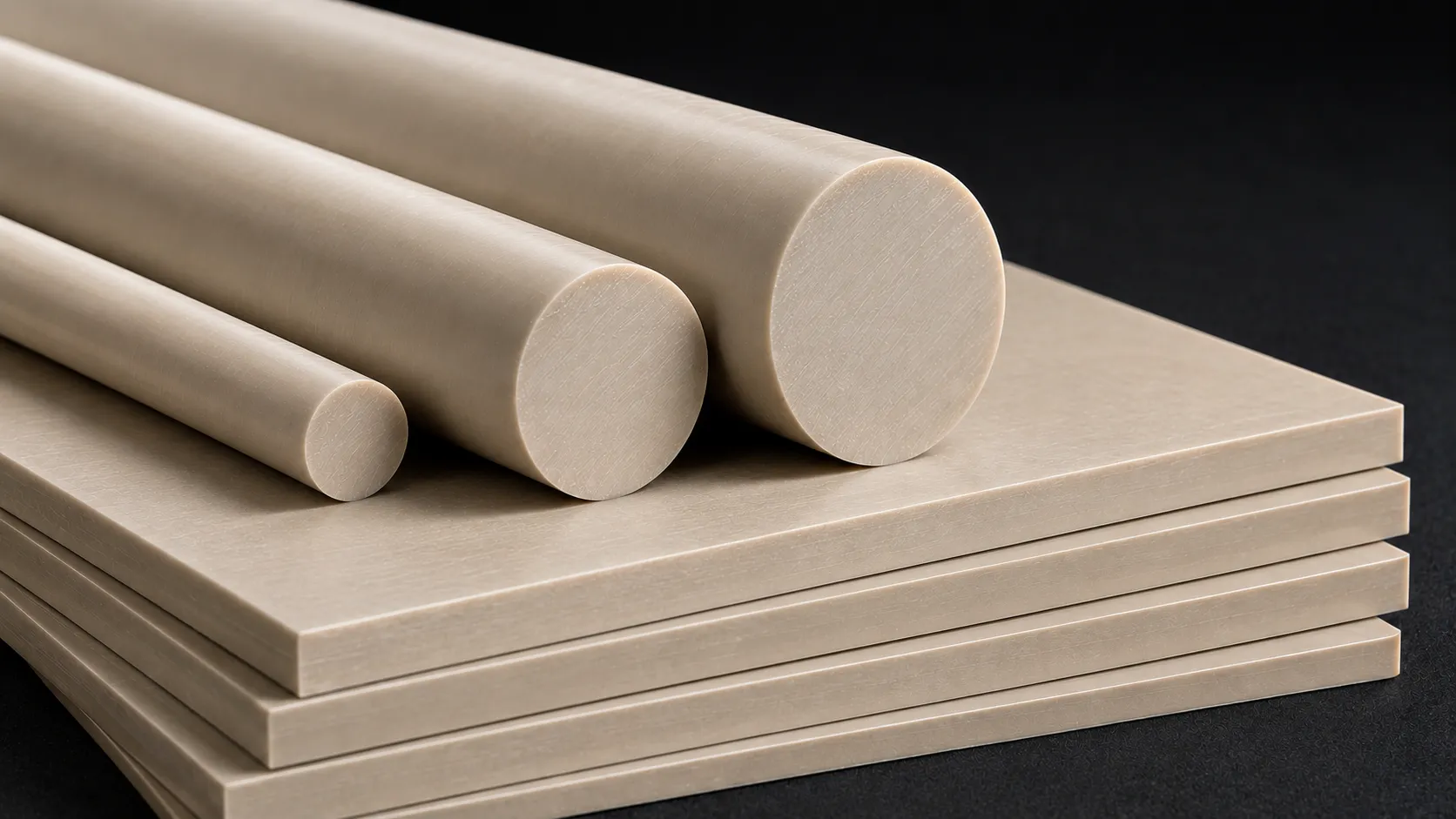
PEEK can be supplied as rod, sheet, plate and tube for machining into structural, sealing, electrical and wear components.
Grade-family selection
Select the Formulation Before Comparing Properties
Unfilled, reinforced and bearing grades solve different problems. Values from one formulation should not be applied to another.
Unfilled PEEK
Balances toughness, chemical resistance, electrical insulation and machining performance without fiber reinforcement.
- Precision structural parts
- Electrical insulators and connectors
- Chemical-contact components
Glass-Fiber-Reinforced PEEK
Considered when higher stiffness, lower expansion and improved dimensional control are more important than maximum toughness.
- Precision supports and housings
- Load-bearing electrical components
- Dimensionally controlled structures
Carbon-Fiber-Reinforced PEEK
Selected for high stiffness, reduced thermal expansion and structural duty where electrical conductivity is acceptable.
- Fixtures and structural parts
- Precision mechanical supports
- Components under sustained load
Bearing and Wear PEEK
Uses friction- and wear-focused fillers for sliding duty. Final selection requires review of the complete tribological system.
- Bushings and bearings
- Wear rings and seal components
- Thrust washers and wear pads
PEEK supply forms
Choose Stock Around the Finished Geometry
Availability depends on grade, manufacturing route and dimensions. Stocked sizes may ship in 1-3 working days; confirm the exact size and stock status during quotation.
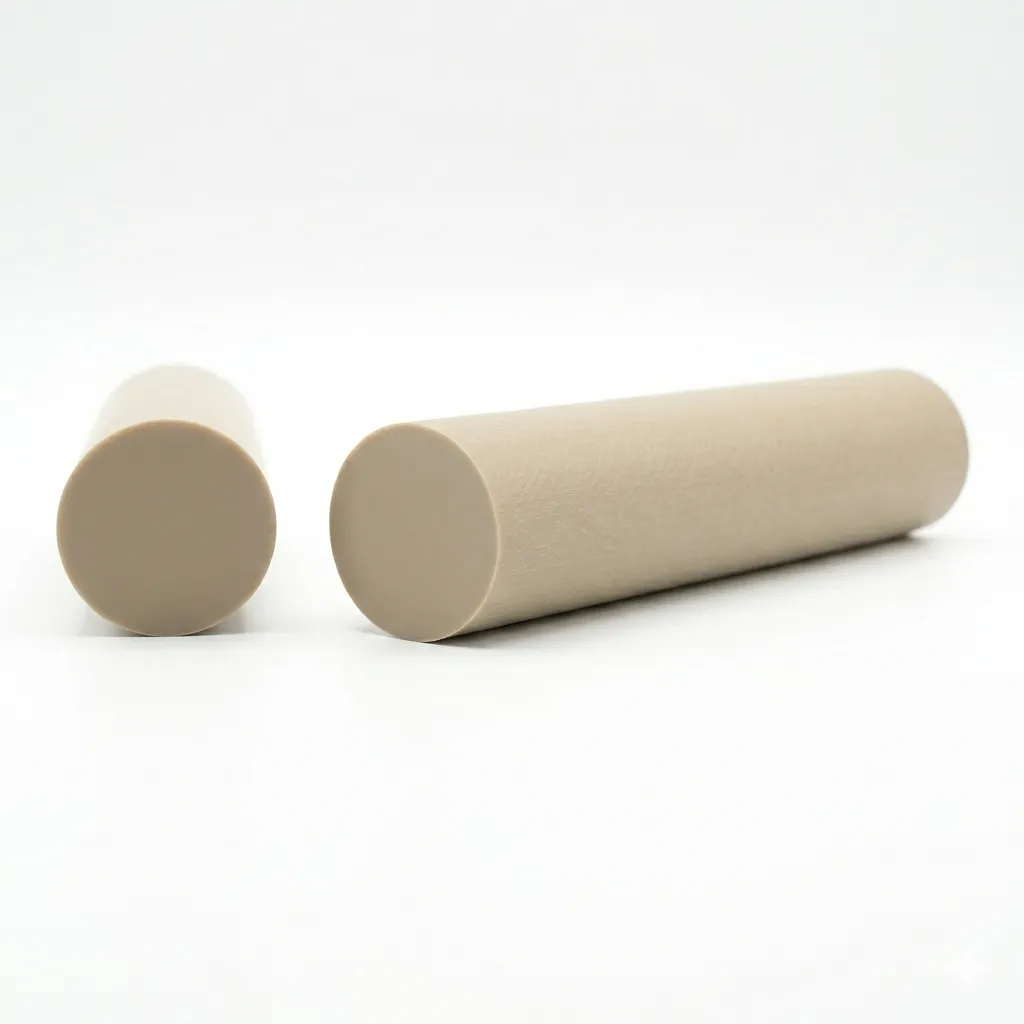
PEEK Rod
Starting stock for turned parts, bushings, bearings, rings, fasteners, seal components and round structural parts.
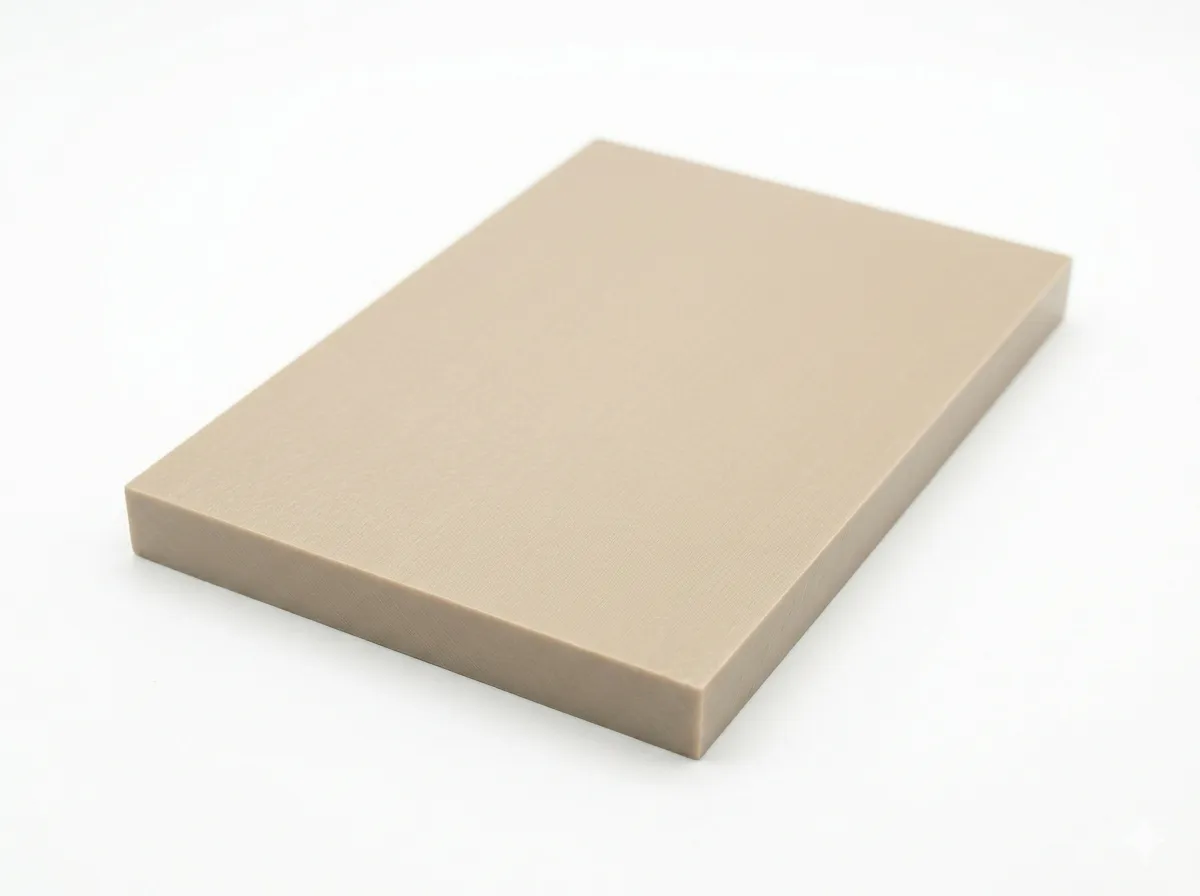
PEEK Sheet and Plate
Used for fixtures, electrical components, wear pads, structural plates and flat or profiled high-temperature parts.
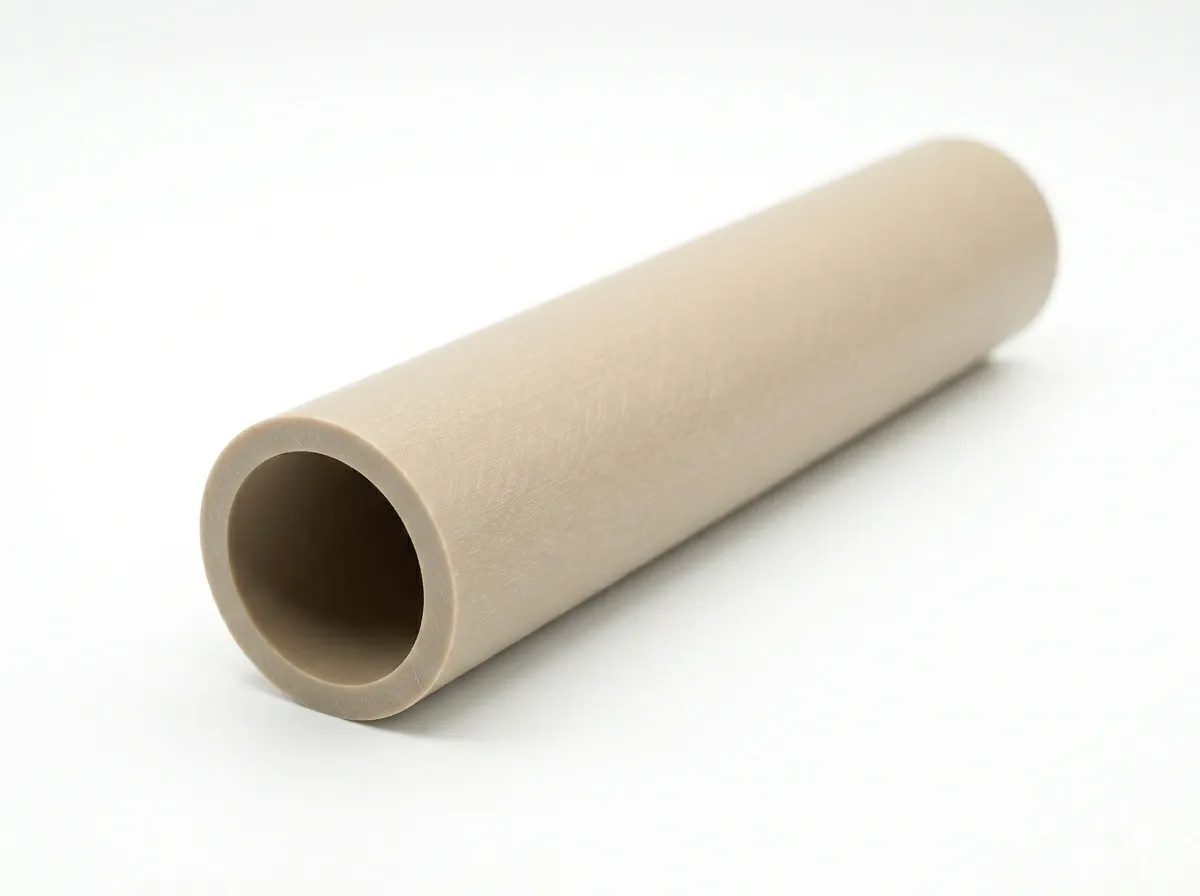
PEEK Tube
Hollow stock can reduce material removal for large rings, sleeves, bearings, seal components and other annular geometries.
Machined PEEK Components
Send the drawing, tolerances, inspection requirements and operating conditions. Stock condition, stress relief, machining sequence and final inspection environment can affect dimensions and performance.
Technical selection checklist
Verify These Items Against the Exact Grade TDS
A generic PEEK property table is not sufficient for design. Compare the test method, specimen condition and temperature as well as the headline value.
| Selection topic | What to confirm | Why it matters | Quotation input |
|---|---|---|---|
| Temperature | Continuous, peak and cycling temperature under load | Usable limits depend on stress, time and the exact grade | Temperature profile and exposure duration |
| Mechanical load | Tensile, compressive, bending, impact and sustained load | Unfilled and reinforced grades behave differently | Load direction, magnitude, safety factor and life |
| Chemical exposure | Medium, concentration, temperature and contact duration | Broad compatibility statements can hide limitations | Full chemical list and cleaning process |
| Wear system | Pressure, speed, lubrication, mating material and finish | Wear is a system result, not a material-only property | PV condition, cycle, lubricant and counterface |
| Machining condition | Stock condition, stress relief, sequence and inspection | Processing history can affect precision dimensions | Drawing, tolerance, datum and inspection environment |
| Documentation | Grade identity, traceability and required test documents | Documents apply to the supplied grade and production lot | Required report, certificate and lot information |
PEEK, PAI, PPS or PEI?
Start with the Dominant Design Requirement
No material is universally better. Compare the exact grades at the operating temperature and finished-component condition.
Broad chemical resistance, low moisture uptake, toughness and machinable stock availability are primary requirements.
Elevated-temperature stiffness, creep control or specialized wear performance is the dominant design driver.
The required chemical and thermal performance can be met with a more cost-sensitive material system.
An amorphous material with electrical performance and dimensional control meets the lower-temperature service requirement.
Compare test method, temperature, load, reinforcement, chemical exposure, geometry, machining history and required documents.
PEEK applications
Components That Combine Heat, Chemicals, Load and Precision
The correct grade depends on the component duty. These application groups are starting points for technical review, not grade approvals.

Aerospace and transportation
Bushings, seals, electrical components, fasteners and structural parts exposed to combined thermal and mechanical duty.

Semiconductor and electronics
Wafer-handling parts, test sockets, insulating structures and precision fixtures after purity and electrical requirements are confirmed.
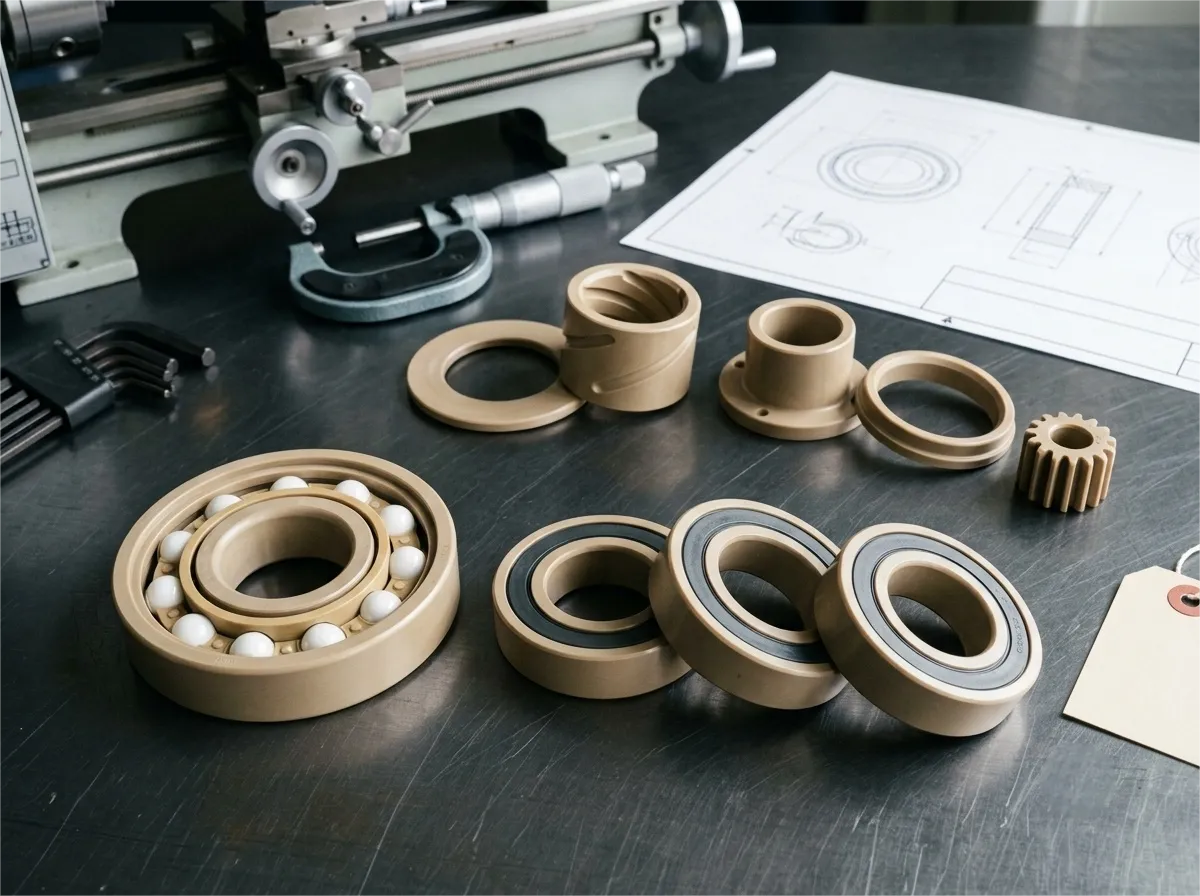
Bearings and wear parts
Bushings, bearings, thrust washers, wear rings and seal components after pressure, speed, lubrication and counterface are evaluated.
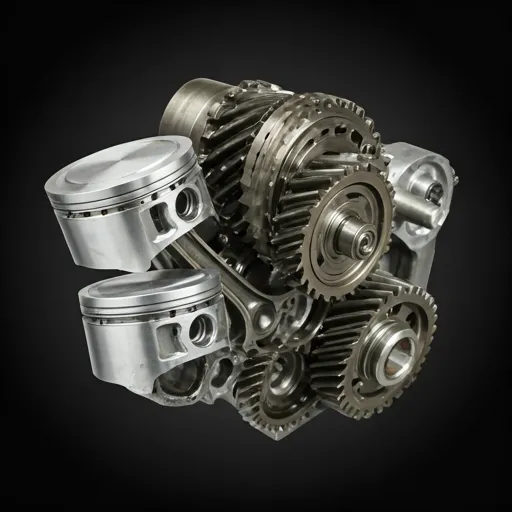
Automotive and mechanical equipment
Thrust washers, seal rings, gears, wear parts and electrical components for demanding mechanical and thermal conditions.

Energy and process equipment
Compressor parts, valve components, backup rings, seals and connectors used around pressure, heat and chemical exposure.
Machining and quotation workflow
Define the Grade, Stock Condition and Inspection Method
Share the service conditions
Provide temperature, load, chemical exposure, wear duty, electrical requirements and expected service life.
Confirm the grade family
Select unfilled, reinforced or wear-focused PEEK and request the exact TDS and required traceability documents.
Match the stock form
Choose rod, sheet or tube from the finished geometry, machining allowance, material utilization and quantity. Confirm current stock and lead time.
Set machining and inspection conditions
Define machining sequence, any required stress relief, final inspection environment, tolerances, datums and reporting.
PEEK FAQ
Questions Before Ordering PEEK Stock
The grade, stock form, processing history and inspection condition are as important as the polymer family.
What is the difference between unfilled and reinforced PEEK?
Can every PEEK grade use the same continuous temperature limit?
Is PEEK resistant to every chemical?
Which PEEK grade should be considered for bearings?
When should stress relief or annealing be considered?
What information is needed for a PEEK quotation?
More Polymer Material…
LOOKING FOR MORE?
Explore material possibilities for your engineering projects based on your specific operating temperatures.
Ultra-High
Unmatched thermal and chemical durability in the most demanding conditions.
Advanced
Superior mechanical properties optimized for heavy industrial engineering.
Fluoropolymer
The absolute pinnacle of thermal and chemical resistance for critical environments.
Discuss Your Polymer Solution Needs
Ready for your next project? Complete the form to consult with our technical team.