
PC
Polycarbonate
PC is a high-molecular polymer with carbonate groups, uniquely transparent among the top five
engineering plastics. Renowned for its mechanical strength, it is widely hailed as “Unbreakable Glass” or “Transparent Metal.”
90%+
Optical Clarity
130°C
Heat Resistance
Extreme
Impact Resistance
Core Material Advantages
Light Transmittance
89%-91%
ASTM D1003 Standard
Izod Notched
650-850J/m
Impact Strength at 23°C
HDT (0.45MPa)
132-142°C
Thermal Distortion Threshold
Flammability
V-2/V-0
UL94 Safety Classification
PC Properties and Key Characteristics
| Property | Unit | General Purpose | Reinforced (20% GF) | Flame Retardant (V-0) | Optical Grade |
|---|---|---|---|---|---|
| Density | g/cm³ | 1.19 - 1.22 | 1.30 - 1.35 | 1.25 - 1.32 | 1.19 - 1.20 |
| Transmittance | % | 88 - 90 | Opaque | 85 - 88 (Transparent) | 90 - 92 |
| Melt Flow Rate (MFR) | g/10min | 10 - 20 | 5 - 12 | 10 - 25 | 20 - 60 |
| Tensile Strength | MPa | 60 - 70 | 90 - 120 | 60 - 75 | 60 - 65 |
| Flexural Modulus | MPa | 2300 - 2500 | 5000 - 7000 | 2400 - 2700 | 2200 - 2400 |
| Notched Impact Strength | J/m | 600 - 850 | 100 - 150 | 400 - 600 | 500 - 700 |
| Heat Deflection Temp (HDT) | °C | 125 - 135 | 140 - 150 | 120 - 130 | 120 - 125 |
| Flammability (UL94) | Grade | V-2 / HB | V-0 / HB | V-0 | V-2 / HB |
| Dimension | Advantages (Pros) | Disadvantages (Cons) |
|---|---|---|
| Mechanical Properties | High Impact Strength: Top toughness among general plastics; extremely difficult to break. | Stress Sensitive: Prone to stress cracking and poor fatigue resistance. |
| Optical Properties | Highly Transparent: Light transmittance of 89% - 92%, comparable to glass. | Easily Scratched: Low surface hardness makes it susceptible to scratches. |
| Thermal Performance | Good Temperature Resistance: Long-term use up to 120°C, higher for short durations. | Hydrolytic Stability: May undergo hydrolysis when used in high-heat and high-humidity environments. |
| Processing Performance | Dimensional Stability: Extremely low mold shrinkage allows for high part precision. | Difficult Processing: High melt viscosity requires high pressure from injection molding machines. |
| Environmental Safety | Odorless & Non-toxic: Classified as an environmentally friendly material. | Fair Chemical Resistance: Poor resistance to strong alkalis, ketones, esters, and aromatic solvents. |
| Dimension | Selection Reason (The "Why") | Practical Value |
|---|---|---|
| Extreme Impact Resistance | Impact strength is 250 times that of ordinary glass. | Safety & Durability: Product won't break under high drops or heavy impacts, reducing after-sales costs. |
| Superior Transparency | Transmittance around 90% with stable optical performance. | Glass/Acrylic Replacement: Achieves a glass-like look while solving fragility and brittleness issues. |
| High Thermal Stability | Long-term service temperature up to approx. 120°C. | Adaptability: Ideal for automotive heat, high-power appliances, and industrial lighting. |
| Precision Control | Very low mold shrinkage (0.5%-0.7%) and low water absorption. | Precision Manufacturing: Perfect for electronic components and light guide plates with high assembly accuracy. |
| Flame Retardancy | Inherent self-extinguishing properties; easily modified to UL94 V-0. | Compliance: Simplifies passing global safety certifications like UL and CE. |
| Medical & Food Grade | Withstands steam/radiation sterilization; available in food-safe grades. | Market Entry: Ideal for medical devices and high-end infant products (e.g., bottles, cups). |
| Property | PC (Polycarbonate) | PMMA (Acrylic) | Glass |
|---|---|---|---|
| Impact Strength | Extreme (Rank 1) | Low (Brittle) | Very Low (Fragile) |
| Heat Resistance | High (120°C) | Low (85°C) | Very High |
| Transmittance | Excellent (89%) | Superior (92%) | Excellent (90%) |
| Surface Hardness | Fair (Easy to scratch) | Excellent (Scratch resistant) | Superior (Hard) |
| Weight | Lightweight | Lightweight | Heavy |
| Processability | Excellent (Injection/Extrusion) | Good | Poor (Requires deep processing) |
| Process Stage | Parameter | Recommended Range | Technical Key Points |
|---|---|---|---|
| Pre-drying | Temp / Time | 120°C / >4 Hours | Critical Metric: Moisture must be below 0.02%; otherwise, hydrolysis occurs, leading to total loss of strength. |
| Melt Temperature | Temp Range | 270°C - 320°C | High processing temperatures; avoid excessive residence time in the barrel to prevent degradation. |
| Mold Temperature | Temp Range | 80°C - 120°C | High mold temp helps reduce internal stress and improves surface gloss. |
| Injection Pressure | Pressure Level | 80 - 150 MPa | High viscosity; requires high injection pressure to ensure proper mold filling. |
| Shrinkage Rate | Ratio | 0.5% - 0.7% | Extremely high dimensional accuracy; first choice for precision structural components. |
| Modification Type | Additives | Purpose of Improvement | Application Examples |
|---|---|---|---|
| PC/ABS Alloy | ABS Blend | Reduce cost, improve processing fluidity, and increase low-temperature toughness. | Car interiors, laptop shells, power banks |
| Reinforced PC | Glass Fiber (GF) | Greatly increase modulus and rigidity; lower thermal expansion coefficient. | Structural brackets, industrial fans, pump housings |
| Wear-Resistant PC | PTFE (Teflon), Silicone Oil | Lower friction coefficient and improve wear resistance. | Gears, shafts, precision transmission parts |
| Diffusion PC | Light Diffuser | Achieve "light-transmitting but non-transparent point" effect with soft light. | LED lampshades, backlights |
Industry Applications

Transparent Chargers
High thermal stability paired with UL94 V-0 flame retardancy for next-gen consumer electronics.

Tail Lights & Exterior
UV resistance and weatherability for critical automotive lighting components.
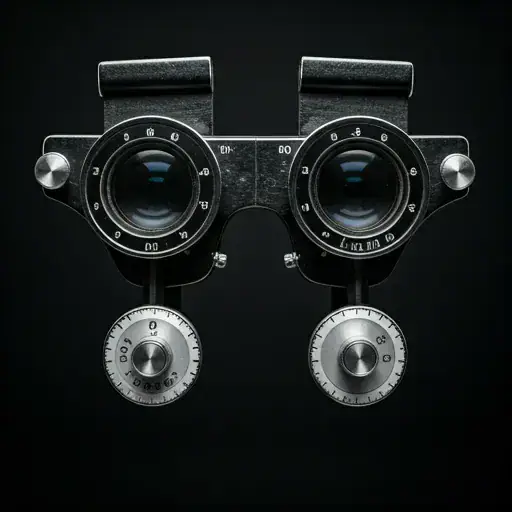
Optical (VR Lenses)
Molecular precision for ultra-high light transmission and low haze.
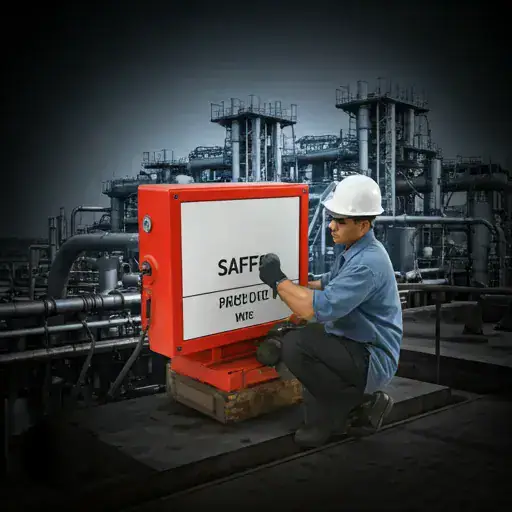
Industrial Structures
Unparalleled impact resistance for protective shields and safety panels.
More Polymer Material…
LOOKING FOR MORE?
Explore material possibilities for your engineering projects based on your specific operating temperatures.
Ultra-High
Unmatched thermal and chemical durability in the most demanding conditions.
Advanced
Superior mechanical properties optimized for heavy industrial engineering.
Fluoropolymer
The absolute pinnacle of thermal and chemical resistance for critical environments.
Discuss Your Polymer Solution Needs
Ready for your next project? Complete the form to consult with our technical team.