
PCTFE
The Cold King and the
Ultimate Barrier
Designed for extreme environments ranging from -240℃ to +150℃. PCTFE offers near-zero gas permeability
and unparalleled dimensional stability for the most demanding semiconductor and aerospace applications.
Low
Permeability
High
Rigidity
Dimensional
Stability
The Five Pillars of PCTFE
Cryogenic
-240℃ Exceptional performance without embrittlement.
Gas Barrier
Helium and Oxygen permeability near absolute zero.
High Rigidity
Metal-like structural integrity with polymer flexibility.
Low CTE
Unmatched dimensional stability in variable thermal cycles.
Non-flammable
UL 94 V-0 Rated. Extreme chemical and flame resistance.
PCTFE Properties and Key Characteristics
| Performance Dimension | Key Highlights |
|---|---|
| Thermal Resistance | Continuous service from -240°C to +150°C; Excellent cryogenic toughness |
| Barrier Properties | Extremely low gas permeability (Near-zero water vapor); Best barrier among fluoroplastics |
| Mechanical Properties | Strength/hardness far exceed PTFE; Superior creep resistance and dimensional stability |
| Electrical Properties | High volume resistivity; Suitable for high-frequency insulation; Dk slightly higher than PTFE |
| Optical & Others | High transparency; Non-flammable (UL94 V-0); Radiation resistant; High IR transmission |
|
Comparative Logic: • vs. PTFE: Significant boost in mechanical strength/stability; lower thermal/chemical resistance • vs. PFA/FEP: Superior barrier and rigidity; narrower processing window and lower max temperature |
|
| Advantages | Disadvantages |
|---|---|
|
• Combines PTFE's "Ultimate Performance" with ease of processing • Capable of complex precision parts, welding/reshaping, high purity, and long life • Standard material for high-end semiconductor and chemical equipment |
• High cost (Far higher than engineering plastics, more expensive than PTFE/FEP) • Poor wear resistance (Low surface hardness, easy to scratch) • High processing temp (380–400°C); prone to thermal decomposition (HF release) • 3–6% shrinkage rate; requires precise mold control • PFAS category; tightening environmental regulations and difficult recycling |
| Comparison / Scenario | Selection Reasoning & Core Logic |
|---|---|
| vs. PTFE | When complex shapes, precision tolerances, welding, or mass injection molding are required, PFA is the only option that retains PTFE properties with processing flexibility |
| vs. FEP | Choose PFA for higher continuous service temperature (260°C vs. 205°C) and superior stress-crack resistance |
| Essential Scenarios | High purity, non-contamination, strong corrosion, high temp, and complex geometries (e.g., semiconductor piping, lined valves, medical sterile components) |
| Core Logic: "When you need both the extreme resistance of PTFE and the practical feasibility of manufacturing, PFA is the optimal solution." | |
| Category | Core Content & Key Points |
|---|---|
| Processing Advantage | True "Melt Processable" (unlike PTFE which requires sintering) |
| Methods | Injection Molding, Extrusion, Blow Molding, Rotational Molding, Transfer Molding, Coating |
| Technical Key | Temp 330–425°C; Corrosion-resistant equipment; Slow cooling for stress control; Grade selection by MFI |
| Typical Grades | 403 (Molding), 410 (Extrusion Pipe), 420/430 (Injection), GC High-Purity Series (Semiconductor) |
| Modification | Glass/Carbon Fiber (Reinforced), Conductive Carbon Black (Anti-static), Foaming (Flame Retardant) |
| Post-Treatment/Custom | End-group Stabilization (Fluorination), Plasma Surface Modification (Enhance Adhesion) |
Industry Applications

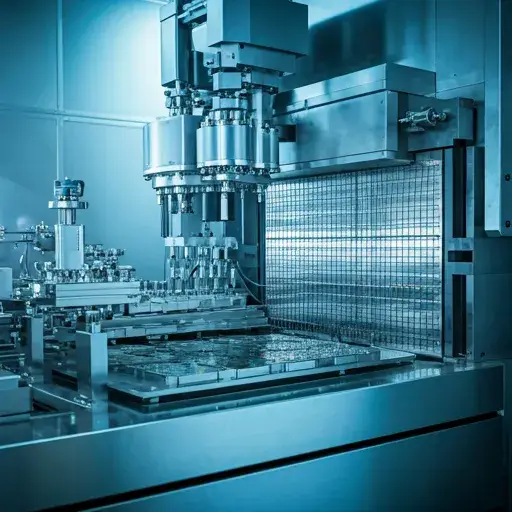
Semiconductor
3nm high purity fluid handling components. Resists chemical leaching in aggressive etching environments.
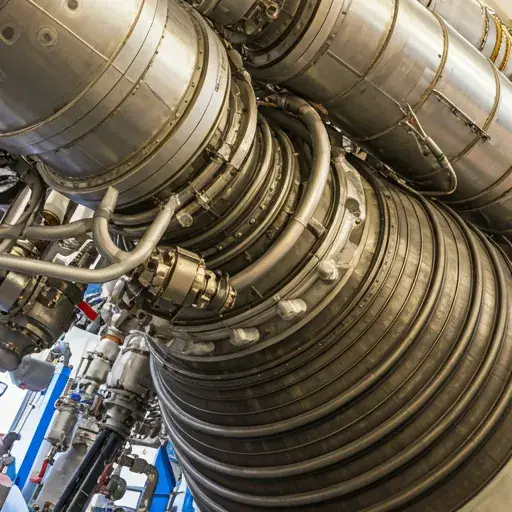
Aerospace
Liquid oxygen (LOX) seals and valve seats. High oxygen index and zero embrittlement at extreme cold.
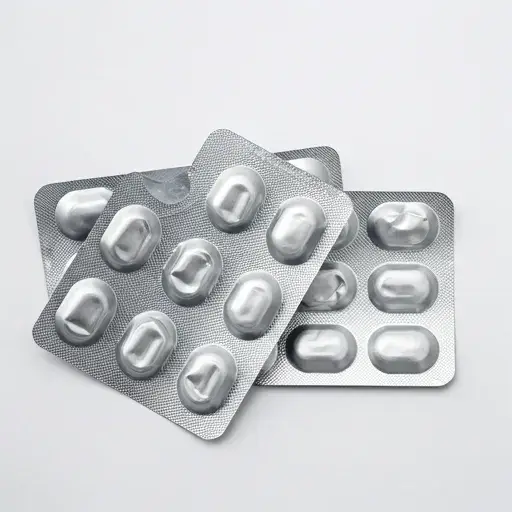
Medical
Moisture and gas barrier films for high-end pharmaceutical packaging and surgical instrumentation.
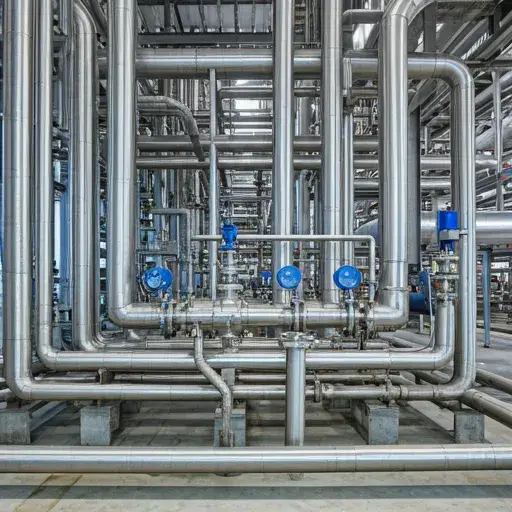
Chemical
Critical seals for corrosive chemical transport and high-pressure fluid control systems.
More Polymer Material…
LOOKING FOR MORE?
Explore material possibilities for your engineering projects based on your specific operating temperatures.
Ultra-High
Unmatched thermal and chemical durability in the most demanding conditions.
Advanced
Superior mechanical properties optimized for heavy industrial engineering.
Fluoropolymer
The absolute pinnacle of thermal and chemical resistance for critical environments.
Discuss Your Polymer Solution Needs
Ready for your next project? Complete the form to consult with our technical team.