
ABS
The Versatile All-Rounder of Engineering Plastics
Engineered for high-impact resistance, dimensional stability, and exceptional surface finish.
The foundation of modern industrial design.
Poor
Weatherability
Highly
Flammable
High
Surface Gloss
The Molecular
Architecture
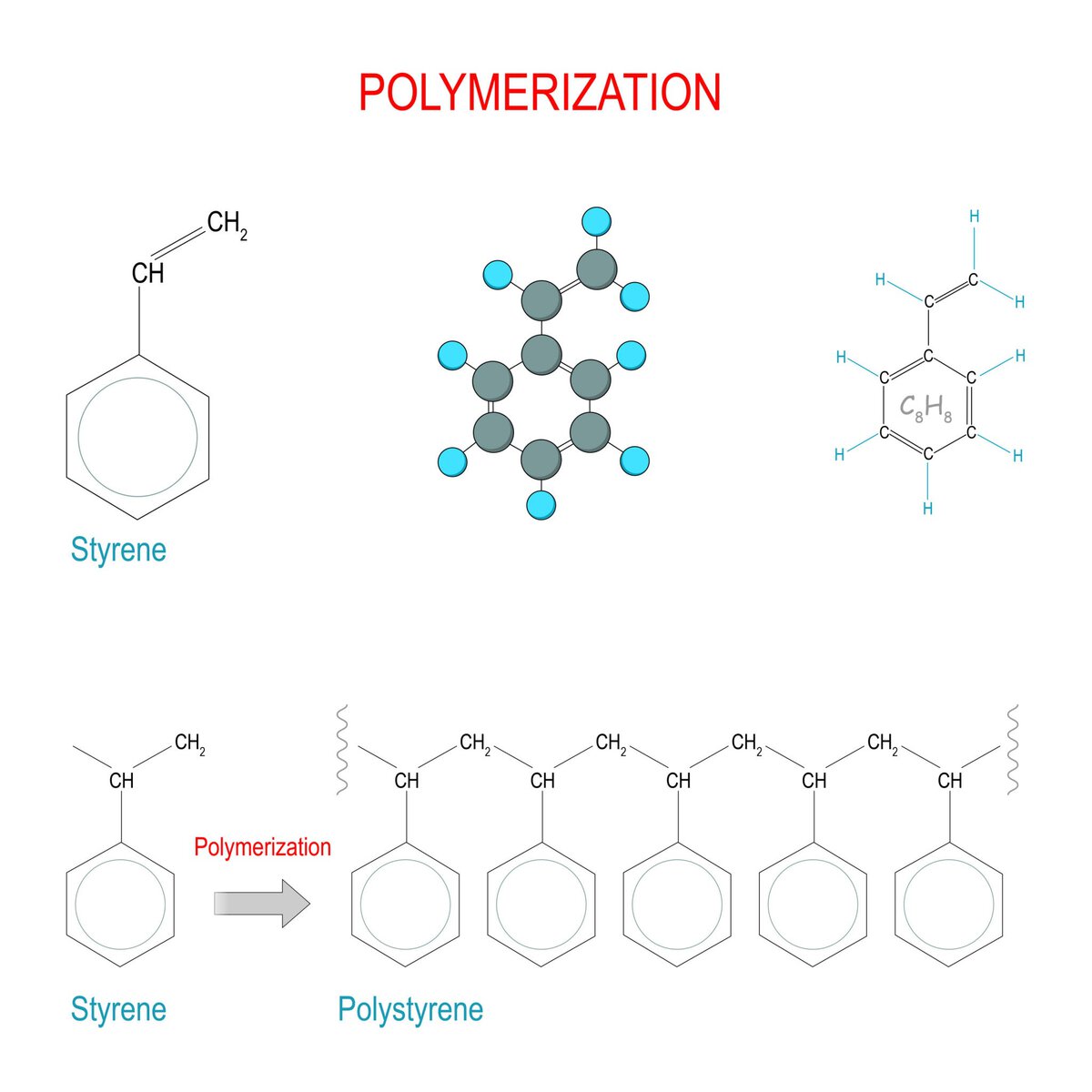
ABS is a terpolymer produced by polymerizing styrene and acrylonitrile in the presence of polybutadiene. Each component provides unique structural advantages.
Acrylonitrile
Chemical resistance, heat stability, and surface hardness.
Butadiene
Exceptional impact strength and toughness, even at low temperatures.
Styrene
Rigidity, processability, and superior aesthetic surface finish.
ABS Properties and Key Characteristics
| Property | ABS (General) | ABS (Flame Retardant) | ABS (High Heat) | PC/ABS Blend |
|---|---|---|---|---|
| Density (g/cm³) | 1.04 - 1.05 | 1.16 - 1.21 | 1.05 - 1.07 | 1.12 - 1.15 |
| Tensile Strength (MPa) | 40 - 50 | 35 - 45 | 45 - 55 | 50 - 60 |
| Notched Impact (J/m) | 200 - 300 | 150 - 250 | 150 - 200 | 450 - 600 |
| HDT (°C) | 80 - 85 | 75 - 80 | 95 - 105 | 100 - 120 |
| Flammability (UL94) | HB | V-0 (1.5mm) | HB | V-0 / HB |
| Dimension | Advantages (Pros) | Disadvantages (Cons) |
|---|---|---|
| Mechanical | Tough & Rigid: Excellent impact resistance (even at low temps) and good structural stiffness. | Moderate Fatigue: Performance declines faster under high-frequency stress compared to POM/PA. |
| Processing | Excellent Processability: Easy to injection mold, extrude, and vacuum form; short cycles. | Pre-drying Required: Hygroscopic; must be dried before processing to avoid surface defects. |
| Appearance | Post-processing King: Excellent surface for painting, plating, ultrasonic welding, and bonding. | Poor Weatherability: Prone to UV aging; long-term outdoor exposure causes yellowing and brittleness. |
| Stability | High Precision: Low mold shrinkage (0.4%-0.7%), resulting in stable part dimensions. | Limited Solvent Resistance: Vulnerable to ketones, benzenes, and certain esters (stress cracking). |
| Environment | Chemical Resistance: Good tolerance to acids, alkalis, salts, and alcohols. | Flammable: Burns with thick black smoke; requires modification for flame retardancy. |
| Economic | High Cost-Performance: Balanced choice for aesthetic parts with moderate pricing. | Low HDT: General grade deforms at ~80°C, limiting use in high-heat environments. |
| Dimension | The "Why" | Practical Value for Enterprises |
|---|---|---|
| Balanced Physical Properties | Combines impact resistance (toughness), surface hardness (rigidity), and wear resistance. | Versatile Performer: No need for extreme trade-offs between strength and toughness; suits most consumer goods. |
| Excellent Processability | Superb melt fluidity, low mold wear, and short injection cycles. | Cost Reduction: Increases production efficiency, lowers scrap rates, and has modest equipment requirements. |
| Superior Decoration | Easy to paint, silk-screen, and features exceptional electroplating performance. | Aesthetic Premium: Easily achieves metallic textures, mirror finishes, or trendy colors to elevate product grade. |
| Dimensional Stability | Low and stable mold shrinkage; minimal deformation from water absorption. | Hassle-free Assembly: Ensures high precision for parts in mass production, ideal for housing components. |
| Great Modification Potential | Easily blends with other polymers (e.g., PC, PA) to form high-performance alloys. | Flexible Solutions: Affordable base resins can be upgraded through modification without changing design logic. |
| Market Maturity | Highly mature global supply chain with numerous grades (e.g., Chimei, LG). | Procurement Security: Stable supply, transparent pricing, and easy access to technical data and mold support. |
| Type | Methods (Additives) | Performance Boost | Typical Applications |
|---|---|---|---|
| Flame Retardant | Brominated/Phosphorus FR, Antimony Trioxide | UL94 V-0 or 5VA rating | Sockets, chargers, monitor housings, power strips |
| Heat Resistant | α-methylstyrene, heat-resistant resins | Increases HDT by 10-20°C | Hair dryers, car AC vents, rice cooker housings |
| UV Resistant | Light stabilizers, antioxidants | Delays yellowing & embrittlement; improves weatherability | Outdoor meter boxes, white appliance exposed parts |
| Reinforced | 10% - 30% Glass Fiber (GF) | Increases rigidity, flexural modulus & heat resistance | Industrial fan blades, high-strength structural frames |
| Alloys | Blending with PC, PA, or PBT | PC/ABS: High toughness & heat; ABS/PA: Wear & chemical resistance | Car dashboards, laptop housings, power tools |
| Transparent (MABS) | Methyl Methacrylate (MMA) | Improved light transmittance for transparency | Clear toys, medical device housings, cosmetic packaging |
| Process Step | Recommended Range | Technical Key Points / Notes |
|---|---|---|
| Drying | 80°C - 85°C / 2-4 hours | ABS is hygroscopic; moisture must be <0.05% to avoid surface silver streaks. |
| Melt Temp | 200-230 / 220-240 / 230-250°C | Reduce temp by ~20°C for flame-retardant ABS to prevent additive decomposition. |
| Mold Temp | 40°C - 80°C | Higher mold temp improves surface gloss and reduces internal stress. |
| Inj. Pressure | 70 - 120 MPa | Depends on wall thickness; avoid excessive pressure to prevent flashing. |
| Back Pressure | 5 - 15 MPa | Prevents air entrapment and ensures uniform melt homogenization. |
| Shrinkage | 0.4% - 0.7% | Excellent dimensional stability; use as the benchmark for mold design. |
Industry Applications
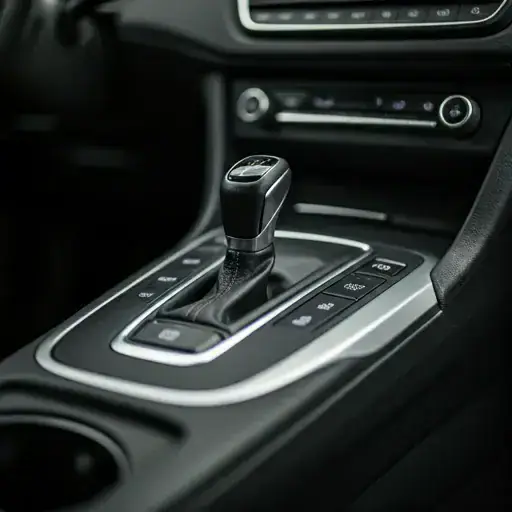
Automotive Interiors
Instrument panels, pillar trims, and interior handles requiring high finish and UV stability.
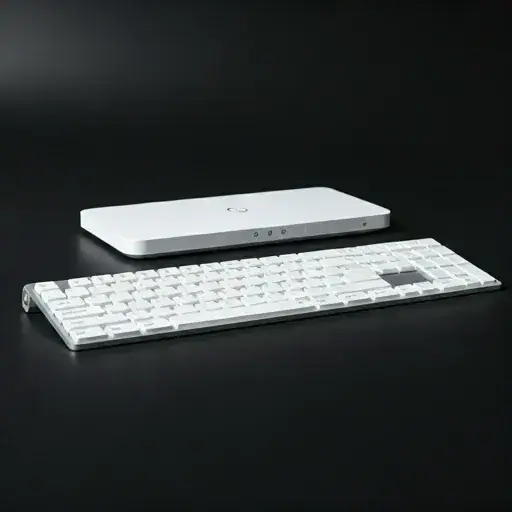
Consumer Electronics
Laptop chassis, mobile device enclosures, and gaming consoles where dimensional accuracy is critical.
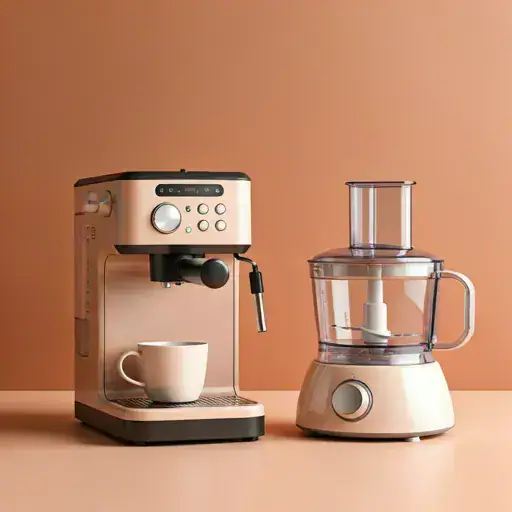
Home Appliances
Vacuum cleaners, kitchen robots, and coffee machines requiring impact resistance and chemical endurance.
More Polymer Material…
LOOKING FOR MORE?
Explore material possibilities for your engineering projects based on your specific operating temperatures.
Ultra-High
Unmatched thermal and chemical durability in the most demanding conditions.
Advanced
Superior mechanical properties optimized for heavy industrial engineering.
Fluoropolymer
The absolute pinnacle of thermal and chemical resistance for critical environments.
Discuss Your Polymer Solution Needs
Ready for your next project? Complete the form to consult with our technical team.