
Semiconductor material solutions

Engineering Plastics for Semiconductor Equipment

PEEK, PAI, PTFE, PVDF and PPS stock shapes for wafer handling, CMP, wet processing and high-purity fluid systems.

Supply scope: JEKIN supplies semi-finished engineering plastic materials. Your team or qualified machining partner converts the stock shapes into finished semiconductor equipment components.
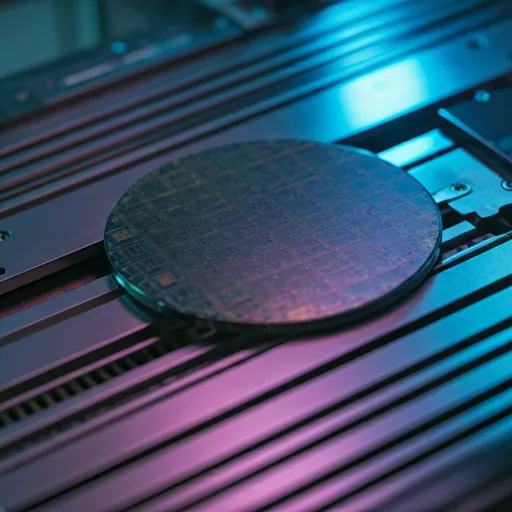
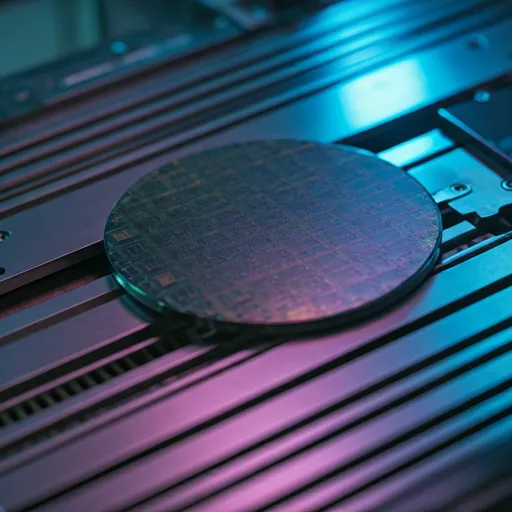
Semiconductor wafer handling and process equipment in an industrial setting
Application context: wafer handling, wet processing and high-purity fluid systems.

Selection challenges

Start with the Process Conditions, Not a Material Name

Semiconductor equipment parts often combine cleanliness, chemical exposure, controlled motion and tight dimensional requirements.

The right stock shape depends on the finished geometry, process window and qualified grade documentation. Confirm all three before releasing a design.

  1. 01

    Control particles and cleanliness

    Define the cleaning method, contact surfaces, handling protocol and any site-specific cleanliness limits for the supplied stock and finished component.

  2. 02

    Match the chemical and wet-process environment

    Review the actual chemistry, concentration, temperature, dwell time and exposure frequency rather than relying on a generic chemical-resistance label.

  3. 03

    Manage motion, load and wear

    Check contact pressure, sliding speed, mating material, lubrication, cycling and allowable wear for guides, carriers, seals and handling mechanisms.

  4. 04

    Protect dimensional repeatability

    Allow for grade, stock condition, moisture history, machining route and inspection method when setting tolerances and final assembly requirements.

Process areas

Where Material Selection Meets the Equipment Duty

Use the process area to frame the material conversation, then confirm the exact grade, dimensions and documentation for the component.

01

Wafer handling

Carriers, end effectors, guides and contact parts where low contamination risk and dimensional control are central.

02

CMP and planarization

Retaining, support and wear components exposed to motion, slurry, cleaning cycles and repeatable contact conditions.

03

Wet processing

Tanks, liners, fixtures, seals and fluid-contact components that require chemistry and temperature review.

04

Etch and deposition

Insulating, shielding and support components selected around the process atmosphere, thermal cycle and part geometry.

05

FOUP and transfer systems

Doors, guides, rollers and handling interfaces where motion, cleanliness and repeatability must be evaluated together.

06

High-purity fluid handling

Tubes, valve parts, pump components and seals matched to the supplied chemistry, pressure, temperature and inspection needs.

Material guide

Build a Shortlist Around the Process Requirement

These are starting points for a technical conversation, not a universal ranking. The supplied grade, stock condition and finished component must be reviewed against the actual process.

PEEK
Starting role A broad engineering-plastic baseline for structural, wear and chemical-exposure questions.
Confirm Grade, reinforcement, process chemistry, thermal cycle and dimensional-control needs.
View PEEK
PAI
Starting role A high-temperature option to review for stiffness, load and specialized sliding duties.
Confirm Grade family, post-cure history, moisture handling, mating surface and machining route.
View PAI
PTFE
Starting role A reference point for low-friction interfaces, seals and demanding chemical-contact questions.
Confirm Pressure, creep, temperature, filler system, surface finish and the exact chemical exposure.
View PTFE
PVDF
Starting role A material to consider for fluid-contact, chemical-handling and electrically insulating components.
Confirm Chemistry, concentration, temperature, pressure, color and dimensional stability after processing.
View PVDF
PPS
Starting role A candidate for rigid, chemically exposed and electrically insulating equipment components.
Confirm Grade, filler, thermal history, chemical environment and the required inspection documents.
View PPS

Material suitability is application-specific. Use the exact grade TDS, drawing and process conditions for the final decision.

PEEK components and stock material used in semiconductor equipment
Stock form should follow the finished geometry and the machining allowance—not the other way around.

Stock shapes

Choose the Starting Form Around the Finished Part

JEKIN supplies semi-finished rods, sheets / plates and tubes for semiconductor equipment projects. Drawing-based machining is arranged by the buyer or a qualified machining partner.

01

Rod and round stock

For guides, rollers, bushings, spacers, pins and turned contact parts. Confirm diameter, length, grade and machining allowance.

02

Sheet and plate

For fixtures, covers, support plates, carriers and profiled flat parts. Confirm thickness, width, length and flatness.

03

Tube and hollow stock

For sleeves, rings, liners, valve parts and fluid-contact geometries. Confirm OD, ID, wall, length and pressure conditions.

04

Drawing-based parts

Share the drawing, tolerances and inspection requirements so the stock route and machining allowance can be reviewed together.

For every route, confirm the exact grade, color, dimensions, quantity, current stock and requested documents during quotation.

Supply workflow

Turn the Process Conditions into a Quotable Material Brief

A complete inquiry helps the material, stock-form and delivery discussion move quickly while keeping the final grade decision tied to the actual equipment duty.

Supply boundary: JEKIN quotes semi-finished stock shapes. Finished-component machining, cleaning and qualification remain part of the buyer's or qualified partner's process unless agreed separately.

01

Share the application conditions

Provide temperature, load, speed, chemistry, pressure, cleanliness expectations, dimensions and expected service life.

02

Confirm the material shortlist

Identify the candidate family, grade scope, reinforcement or filler and any required TDS or traceability documents.

03

Match shape, size and allowance

Select rod, sheet / plate or tube around the finished geometry, machining route, quantity and material utilization.

04

Verify stock and delivery details

Confirm current availability, color, packaging, inspection documents and the delivery arrangement before release.

Application Process area and component function
Geometry Drawing, dimensions and machining allowance
Conditions Temperature, chemistry, load and pressure
Documents Required TDS, inspection and traceability information

Procurement checklist

The Information That Keeps a Semiconductor Quote Moving

Send the information that defines the application, the finished geometry and the material documentation required for release.

01

Process area

Wafer handling, CMP, wet processing, etch / deposition, transfer equipment or high-purity fluid handling.

02

Chemistry and cleaning

Chemical names, concentration, temperature, dwell time, cleaning method and exposure frequency.

03

Temperature and load

Operating range, thermal cycling, pressure, speed, contact load, lubrication and expected service life.

04

Geometry and stock form

Drawing, tolerances, rod / sheet / tube preference, machining allowance, quantity and color.

05

Cleanliness expectations

Handling, packaging, cleaning, inspection or site-specific particle-control requirements for the supplied material.

06

Documents and traceability

Required TDS, inspection report, lot information, material declaration or other documents needed for the project.

Semiconductor FAQ

Questions Before Ordering Semiconductor Stock

The exact grade, stock form, dimensions and documentation are as important as the polymer family itself.

Which materials are typically considered?

PEEK, PAI, PTFE, PVDF and PPS can enter the discussion depending on the process chemistry, temperature, load, wear, electrical and dimensional requirements. The exact grade TDS and application conditions control the final decision.

What semiconductor stock shapes are available?

JEKIN supplies semi-finished rods, sheets / plates and tubes. Share the finished geometry and machining allowance so the most suitable starting form can be reviewed.

Can JEKIN quote finished machined components?

This page focuses on semi-finished material supply. For a drawing- based request, send the drawing, tolerances, quantity and inspection requirements so the supply scope can be confirmed.

How should I describe the process environment?

Include the chemical names and concentration, temperature, pressure, contact or sliding conditions, cleaning method, exposure time and expected service life. A generic process label is not enough for a material decision.

What documents can be requested with the material?

State the required TDS, inspection report, lot information, traceability or material declaration when you request a quotation. Availability depends on the exact supplied grade and production lot.

How do I confirm current stock and delivery?

Send the material, grade, color, shape, dimensions and quantity. Current stock and the delivery arrangement should be confirmed for the exact quotation rather than assumed from a general page.

Official logo of Jekin Polymer - A leading provider of high-performance engineering plastics and polymer solutions

WE ARE HERE TO HELP YOU

Discuss Your Polymer Solution Needs

Are you looking for top-quality polymer solutions tailored to your needs?

Reach out to us.

Form / Shape
Please include dimensions, quantity, drawing availability, operating temperature, chemical exposure or application details.