
Engineering plastic rods, sheets and tubes for machining.
Start with the shape that matches your part geometry, then confirm the material, grade, dimensions, quantity and documentation needed for your machining route.
Match the stock shape to the way the part will be made.
The right starting form can reduce material removal, simplify workholding and make the quotation conversation more precise. Confirm the final geometry and machining allowance before ordering.
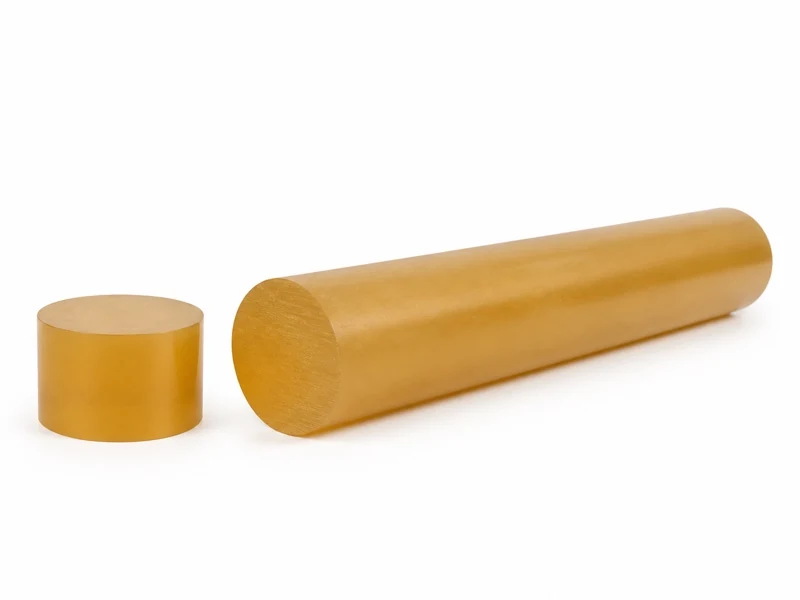
Rods
Use round stock when the finished part is mainly turned, drilled or threaded.
- Bushings, sleeves and spacers
- Rollers, guides and rings
- Fittings, valve parts and connectors
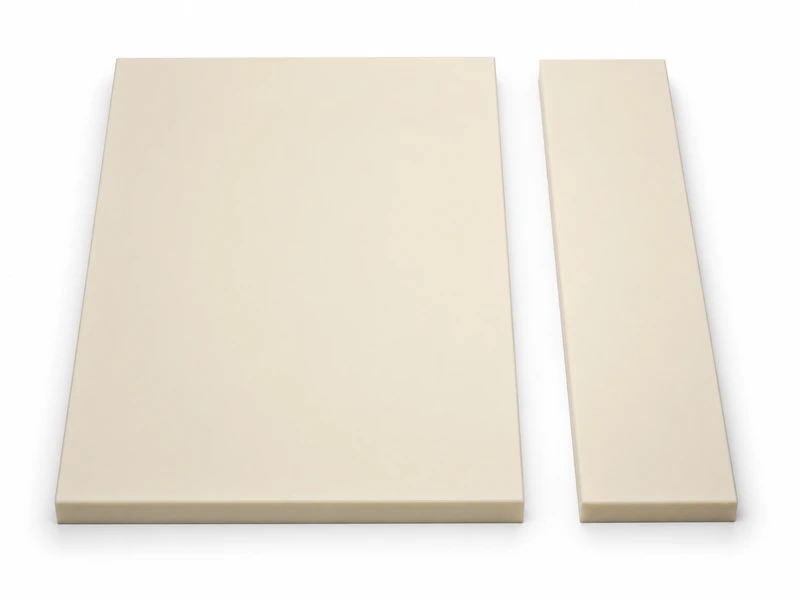
Sheets and plates
Use flat stock for milled parts, panels, fixtures and structures with planar geometry.
- Jigs, fixtures and support plates
- Wear pads, covers and panels
- Electrical and mechanical structures
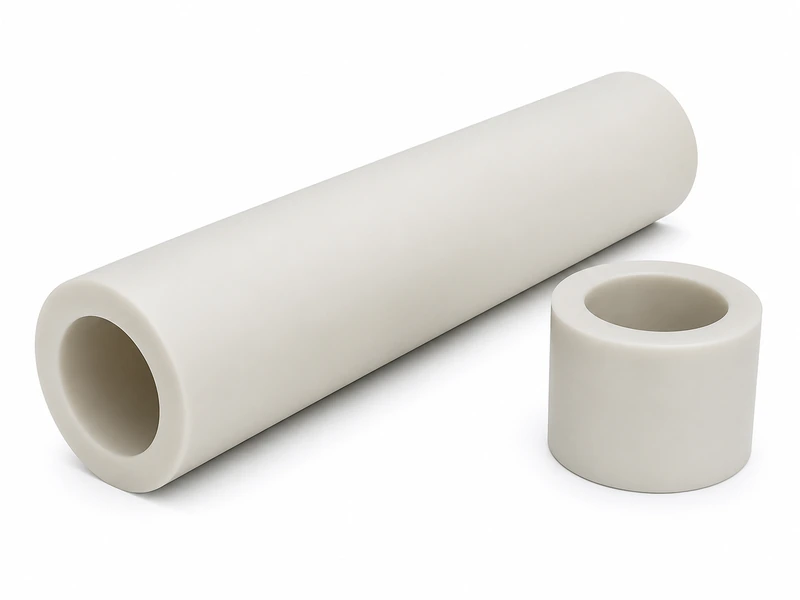
Tubes
Use hollow stock when the finished part contains a bore, sleeve, ring or flow path.
- Sleeves, rings and bearing parts
- Fluid-handling components
- Insulating or protective hollow structures
A simple procurement path for semi-finished shapes.
If the material is not fixed yet, begin with the service conditions. If the material is approved, begin with the form and dimensions.
Identify the dominant shape.
Round, flat, hollow or drawing-based geometry points to the first supply route.
Confirm the candidate family.
Check temperature, load, wear, media, electrical and documentation requirements.
Define the machining blank.
Provide finished size, stock size, allowance, tolerance, quantity and color or filler needs.
Request the right documents.
State whether you need TDS, COA, lot traceability or grade-specific compliance records.
Choose a shape first, then narrow the material family.
The same shape may be available across different polymer families, but the suitable grade, size, color and documentation package will vary.
PEEK, PAI, PEI and PPSU
Screen for higher-temperature, load, impact, insulation or demanding service conditions.
- Exact grade and reinforcement
- Thermal history and machining stress
- Required service and documentation
PTFE, PVDF, PFA and PCTFE
Screen for chemical media, low friction, purity-controlled systems or fluid-handling requirements.
- Exact medium and concentration
- Pressure, permeation and support
- Joining or fabrication route
POM, PA, PETP and UHMWPE
Screen for machining, wear, friction, moisture, dimensional control and practical industrial service.
- Moisture and conditioning state
- Load, speed and counterface
- Finished tolerance and geometry
Send the information that makes a stock review useful.
A material name alone is rarely enough to confirm a suitable rod, sheet or tube. The following details help separate a material question from a dimension and availability question.
Questions before requesting rods, sheets or tubes.
Does JEKIN supply finished CNC parts or only stock shapes?
The supply route depends on the inquiry. You can request semi-finished rods, sheets or tubes, or submit a drawing for a separate machining feasibility review. Final geometry, inspection and approval must be defined for the specific project.
Are all materials available in all three shapes?
No universal availability should be assumed. Rod, sheet and tube supply depends on the polymer family, grade, dimensions, manufacturing route, color and current stock. Confirm the exact combination before quotation.
What is the difference between a rod and a tube?
A rod is solid round stock and is normally used where most of the finished section will be removed or where a solid blank is required. A tube is hollow stock and may reduce machining when the finished part already contains a bore.
Can you recommend a material from the shape alone?
Shape identifies the starting form, not the final material. Temperature, load, wear, chemical media, moisture, electrical requirements, geometry and required documents still need to be reviewed.
Ready to define the stock shape?
Send the material, form, dimensions, quantity and service conditions. We can review the most suitable supply route before quotation.
Need to choose the polymer before the form?
Start with service conditions in the material selection guide, or review the current material portfolio.