
Renewable energy material solutions
High-Performance Polymers for Battery, Wind & Hydrogen Applications
Renewable energy equipment can combine battery electrolyte exposure, wind-turbine wear and hydrogen gas service. Jekin supplies high-performance polymer stock shapes for evaluation where electrical insulation, chemical resistance, thermal stability and mechanical strength must be considered together.
Clear supply scope: Jekin supplies semi-finished engineering plastic stock shapes. Material grade, processing, validation and certification for the finished component remain with the buyer or qualified manufacturing partner.
Performance starts with the operating environment
Select the material around chemistry, temperature, electrical demands and mechanical load.
A renewable energy component rarely faces a single stressor. Battery chemistry, wind-turbine duty cycles, hydrogen permeation and rapid gas decompression risks, and electrical requirements must be evaluated together before the polymer, grade and stock form are selected.
Chemical and electrolyte resistance
Review exposure to battery electrolytes (LiPF6, carbonates), hydrogen gas, cooling fluids and cleaning agents—including concentration, temperature and contact duration.
Electrical and thermal demands
Define dielectric strength, volume resistivity, comparative tracking index and the full temperature range from cold shutdown to peak operating conditions.
Mechanical load and wear
Confirm static and dynamic loads, contact stress, sliding speed, mating surface and the expected service life under variable renewable-duty cycles.
Fire, smoke and long-term aging
Evaluate flame-retardance requirements, thermal-oxidative stability and the material’s ability to maintain properties after years of environmental exposure.
Where stock shapes enter renewable energy systems
Machinable materials for battery, wind and hydrogen applications.
These examples are starting points for material discussion, not automatic approvals. Final suitability depends on the selected grade, component design, operating conditions and customer validation under actual service environments.
Battery pack insulators, spacers & structural supports
Electrically insulating, thermally stable stock for cell-to-pack and module-level components where dielectric integrity and chemical resistance are essential.
Often considered: PEEK / PPSElectrolyte-wetted components & separator-related parts
Chemically resistant material candidates for components exposed to aggressive electrolyte formulations and electrochemical environments.
Often considered: PVDF / PPSTurbine pitch & yaw bearing cages, bushings & wear pads
High-load, low-wear stock for machined bearing elements and sliding interfaces operating under variable wind loads with limited relubrication access.
Often considered: PAI / PEEKGenerator electrical insulation & terminal blocks
Dielectric stock shapes for high-voltage insulation, connector bodies and terminal supports in nacelle and tower electrical systems.
Often considered: PPSU / PEEKHydrogen valve seats, seals & gaskets
Material candidates for hydrogen valve seats, seals and gaskets where permeation, rapid gas decompression behavior and long-term sealing integrity must be evaluated.
Often considered: PTFE / PEEKCompressor components & fluid-handling connectors
Structural and sealing stock for hydrogen compression, transport and dispensing equipment exposed to pressure cycling and chemical attack.
Often considered: PEEK / PVDF / PPSUMaterial guide
Compare engineering plastics across battery, wind and hydrogen duty cycles.
Shortlist PEEK, PVDF, PAI, PPS, PTFE and PPSU by chemical resistance, electrical performance, thermal capability, mechanical load and environmental durability.
A balanced high-performance candidate where thermal stability, chemical resistance, electrical insulation and mechanical strength must work together under demanding renewable-energy conditions.
Often evaluated for chemically exposed battery and fluid-handling components where resistance to the specified electrolyte or process medium is a primary requirement.
High strength, stiffness and wear capability at elevated temperature for bearing and structural wear applications with demanding mechanical loads.
Often considered where chemical resistance, thermal capability, electrical properties and grade-specific flame performance must be balanced in battery or electrical-system components.
Broad chemical resistance and low friction for sealing, gasketing, lining and sliding applications involving demanding fluid or gas exposure.
A tough, impact-resistant amorphous polymer often evaluated where electrical insulation, hydrolysis resistance and mechanical robustness must be considered together.
Semi-finished product forms
Choose the stock shape around the finished geometry.
Select rod, sheet or tube according to machining allowance, wall thickness and material utilization. Polymer, grade, dimensions and availability should be confirmed at quotation.
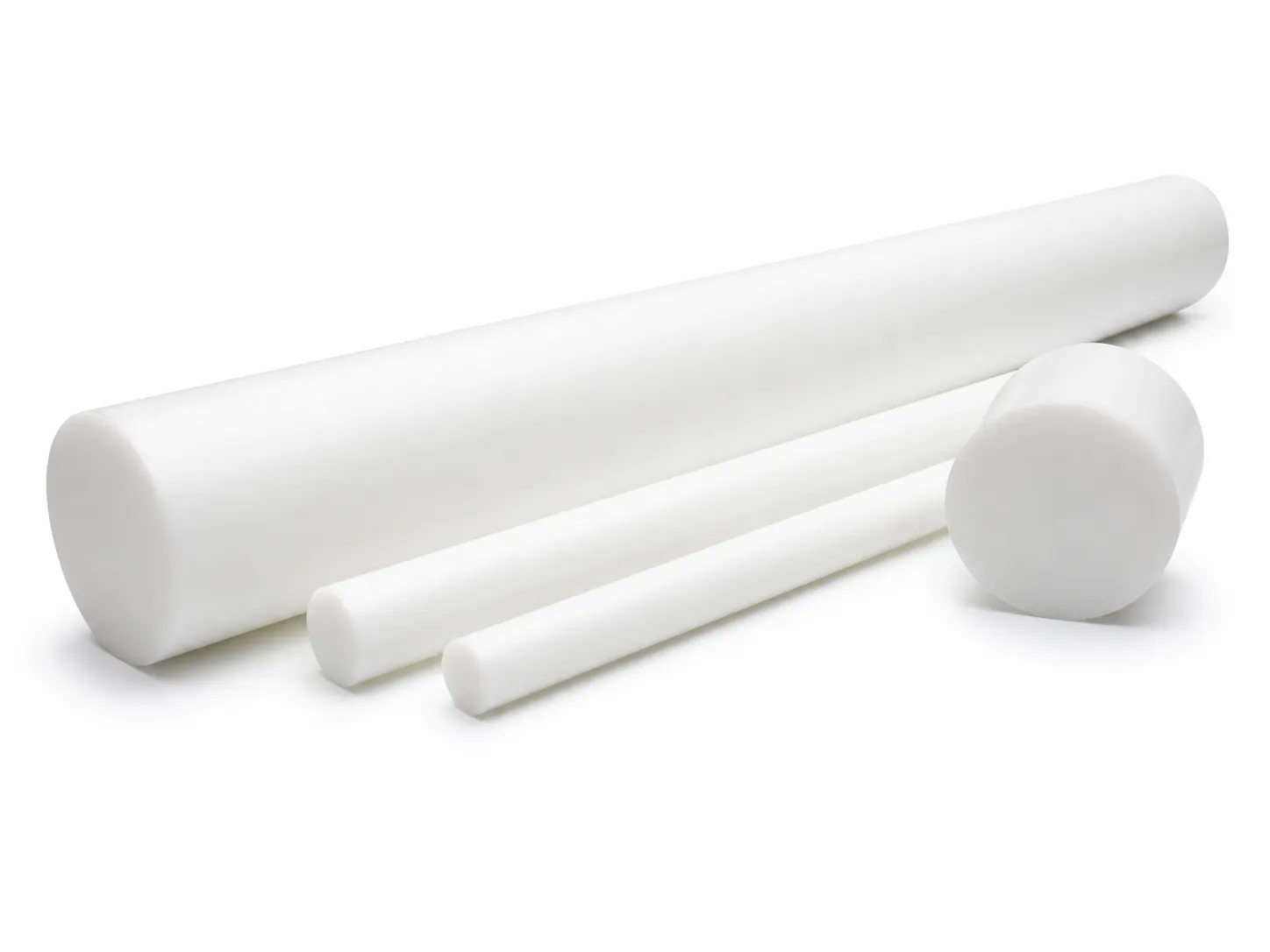
Rods
Starting stock for bushings, bearing cages, pins, rollers and other round machined components for wind, battery and hydrogen equipment.
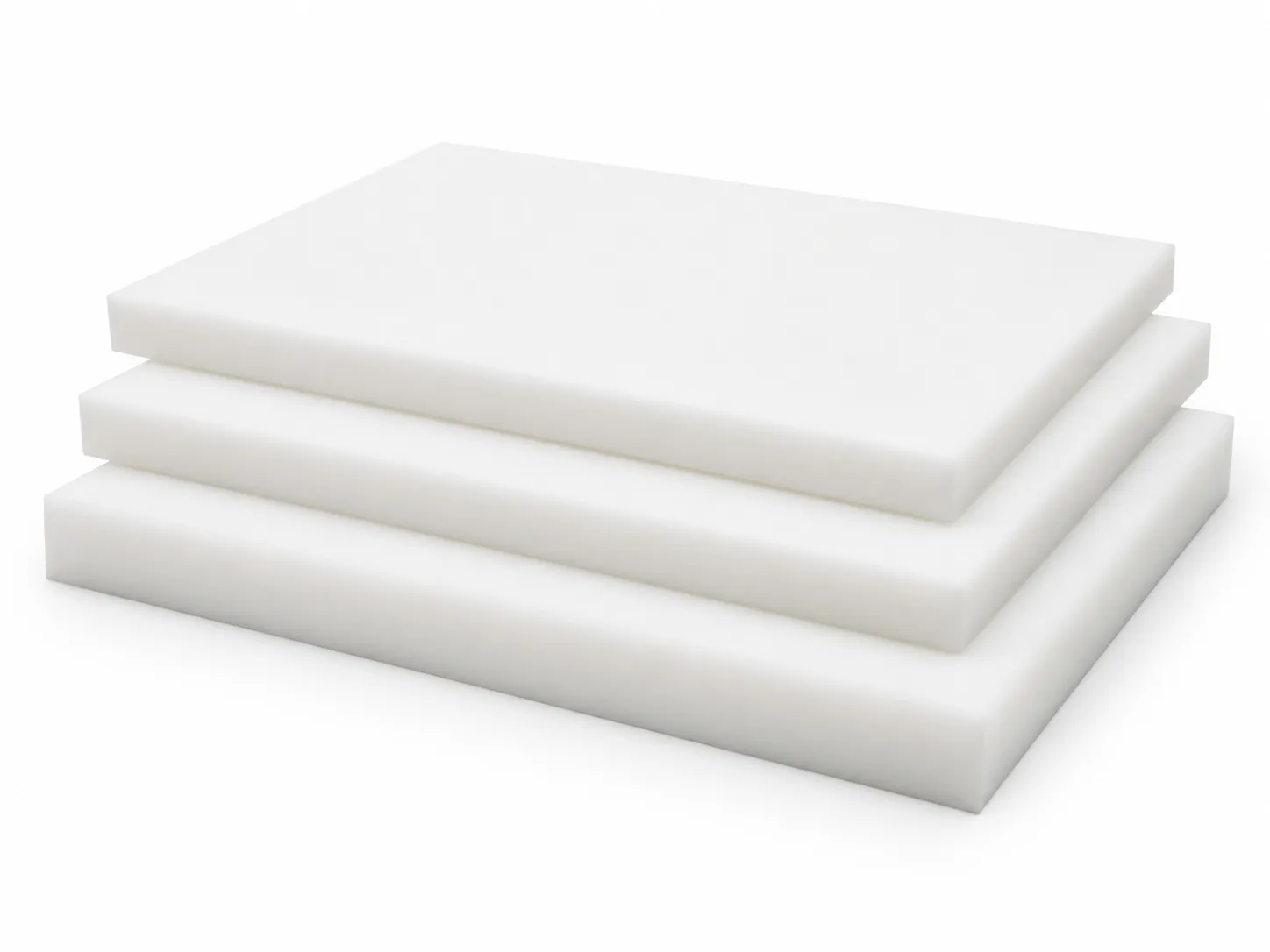
Sheets
Efficient stock for insulators, spacers, seals, gaskets, wear pads and flat structural components across battery, wind and hydrogen applications.
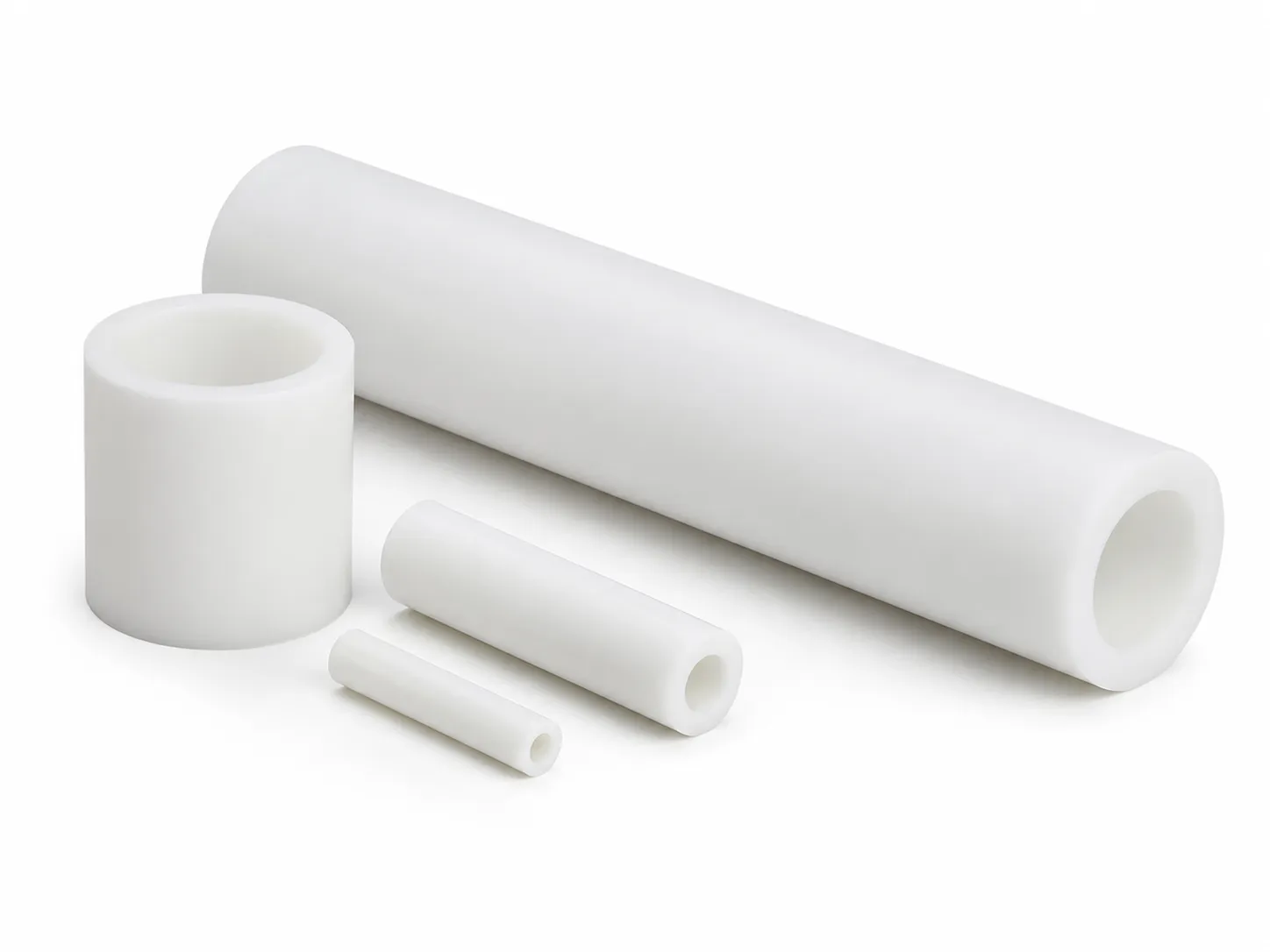
Tubes
Hollow stock can reduce material removal for sleeves, large bushings, rings, connectors and tubular fluid-handling components.
A supply model built around your qualification process
From operating requirements to a validated stock shape.
Application data, drawings and specifications guide the material, grade and stock-form discussion—even when Jekin supplies the semi-finished material rather than the finished component.
Important: Final component geometry, machining practice, validation and certification remain part of the buyer’s or qualified manufacturing partner’s process.
Define the operating environment
Share chemical exposure, temperature range, electrical requirements, mechanical loads, wear conditions and expected service life.
Select material and grade
Shortlist the polymer, then confirm whether an unfilled, glass-filled, carbon-filled or wear-resistant grade is appropriate for the requirement.
Confirm stock form and documentation
Choose rod, sheet or tube, then request the dimensions, quantity and technical or certification documents needed for procurement.
Machine and qualify the component
Your qualified partner produces the final geometry and verifies performance under actual renewable-energy operating conditions.
Application checklist
Six inputs to define before ordering renewable-energy stock.
Clear operating data reduces the risk of selecting a polymer or stock form that does not match the finished component’s requirements.
01 — Chemical environment
Electrolyte type and concentration, hydrogen pressure and purity, lubricants, cooling fluids, cleaning agents and exposure duration.
02 — Electrical requirements
Dielectric strength, volume and surface resistivity, comparative tracking index and any partial-discharge or arc-resistance needs.
03 — Temperature profile
Continuous and peak operating temperature, thermal cycling, cold-start conditions and heat-aging expectations.
04 — Mechanical loading
Static and dynamic loads, contact stress, sliding speed, impact, fatigue and unsupported spans under variable duty cycles.
05 — Environmental aging
UV exposure, moisture, salt spray, thermal-oxidative stability and long-term property retention over the component lifetime.
06 — Certification and traceability
Industry standards, customer specifications, material certifications, batch traceability and any application-specific qualification evidence.
Information and documentation
Confirm the material information before purchase.
Document availability can vary by polymer, grade and batch. State the required documents in the inquiry so they can be reviewed with the material and quotation.
- Technical data sheet, where available
- Certificate of analysis or batch document, where available
- Material and grade identification
- Electrical and thermal property data, where available
- Dimensions, tolerances and stock-form details
- Traceability requirements stated before order
Frequently asked questions
Renewable energy engineering plastic stock shapes FAQ
Selection starts with the operating environment and duty cycle, not the application name alone.
Which polymers are suitable for battery electrolyte exposure?
PVDF and PPS may be reviewed for electrolyte-wetted environments, while PEEK may enter the discussion for structural battery components with additional temperature and mechanical requirements. Compatibility depends on the exact electrolyte, concentration, temperature, grade and exposure duration, so customer validation remains essential.
What materials are considered for wind turbine bearings?
PAI may be evaluated for bearing cages and high-load wear elements at elevated temperature. PEEK may be considered where wear, strength and chemical resistance must be balanced. The exact grade, filler system and operating conditions determine suitability.
Can engineering plastics be used in hydrogen gas service?
PEEK and PTFE are the polymers most often reviewed for hydrogen valve seats, seals and gaskets. Key considerations include permeation resistance, rapid gas decompression behavior and long-term chemical stability. Material suitability must be validated for the specific pressure, temperature and purity requirements.
Does Jekin supply electrically insulating grades?
Many engineering plastics in Jekin’s portfolio offer inherent electrical insulation. PEEK, PPS, PPSU and PEI are frequently reviewed for dielectric applications. Confirm the required dielectric strength, CTI and any flame-retardance requirements with each inquiry.
How do I choose between PEEK and PAI for wear applications?
PAI may be evaluated for high strength and wear resistance at elevated temperature, while PEEK may offer a broader balance of chemical resistance, machinability and mechanical performance. Moisture behavior, grade-specific processing, load, temperature and the complete operating environment should be reviewed before selection.
What information is needed for a renewable-energy material quote?
Provide the application sector (battery, wind, hydrogen), operating temperature range, chemical exposure details, electrical requirements if applicable, stock form, dimensions, quantity and required documentation. A drawing or specification helps align the material grade to the finished component.
Start with the operating environment
Source stock material for your renewable energy component.
Tell us the polymer, grade, shape, size and quantity—or share the application sector, chemical environment, temperature profile and electrical requirements if material selection is still open.