
Aerospace material solutions
Aerospace Engineering Plastic Stock Shapes
PEEK, PAI, PEI, PPSU and PPS rods, sheets and tubes for aircraft systems where weight, heat, wear, fluids, electrical duty and fire-performance requirements must be reviewed together.
Supply scope: JEKIN supplies semi-finished engineering plastic materials. The buyer or qualified manufacturing partner machines, inspects and validates the finished aerospace component.

Performance starts with the specification
Select the Material Against the Full Flight Environment
Aerospace material selection rarely depends on one property. Temperature, load, wear, fluids, electrical behavior, fire performance and customer specifications must be considered together.
A polymer name is only a starting point. Confirm the exact grade, thickness, process conditions and program documents before machining or qualifying the final part.
Weight reduction
Lightweight polymer designs can support lower-mass components when the selected grade meets the mechanical and environmental limits.
Heat and thermal cycling
Review continuous and peak temperature, thermal expansion, creep and repeated transitions between operating conditions.
Fire, smoke and toxicity
Cabin and interior applications may require grade-specific FST data. Confirm compliance for the exact material and thickness.
Fluids, wear and loading
Hydraulic fluids, fuels, cleaners, friction, impact and sustained load can change which polymer or filled grade is appropriate.
Where aerospace buyers use stock shapes
Machinable Materials for Aircraft Systems and Equipment
These are typical application areas considered for engineering plastics. Final suitability depends on the exact grade, aircraft program, operating environment, design allowables and customer approval requirements.
Cabin interiors
Stock for brackets, supports, hardware and interior-system parts where weight and grade-specific fire performance matter.
Often considered: PEI / PEEK / PPSUActuation and controls
Material options for guides, bushings, insulators, sensor supports and control-system components subject to motion or heat.
Often considered: PEEK / PAI / PPSElectrical systems
Semi-finished material for connector bodies, terminal supports, cable-management components and electrical insulation.
Often considered: PEI / PEEK / PPSBearings and wear parts
Stock shapes for bearing cages, bushings, thrust elements and wear interfaces where lubrication may be limited.
Often considered: PAI / PEEK / filled gradesFluid and air management
Material candidates for manifolds, supports, clips, valves and duct-related parts exposed to aircraft fluids or temperature.
Often considered: PEEK / PPSU / PPSGround and support equipment
Engineering plastic stock for fixtures, test equipment, handling tools and maintenance-system components.
Often considered: PEEK / PAI / engineering gradesAerospace material guide
Compare High-Performance Plastics for Aerospace Applications
No single polymer is best for every aircraft system. Use this overview to create a shortlist, then verify the grade, thickness and documentation against the drawing and program requirements.
Balanced mechanical strength, heat capability, chemical resistance, wear performance and dimensional stability.
High strength, stiffness and wear capability at elevated temperatures for mechanically demanding component designs.
High heat capability, dimensional stability and electrical performance. Grade-specific FST data must be confirmed.
Tough, impact-resistant amorphous polymer considered for fluid, ducting and interior-system applications.
Chemical resistance, thermal capability and dimensional stability for structural and electrical parts at a different cost-performance point.
Material suitability is application-specific. Confirm the exact grade, thickness, test basis and customer requirements before release.
Machinable stock forms
Start with the Shape That Fits the Aerospace Component
Select rod, sheet or tube according to final geometry, machining allowance, material utilization and required documentation. Grade, size and availability should be confirmed at quotation.
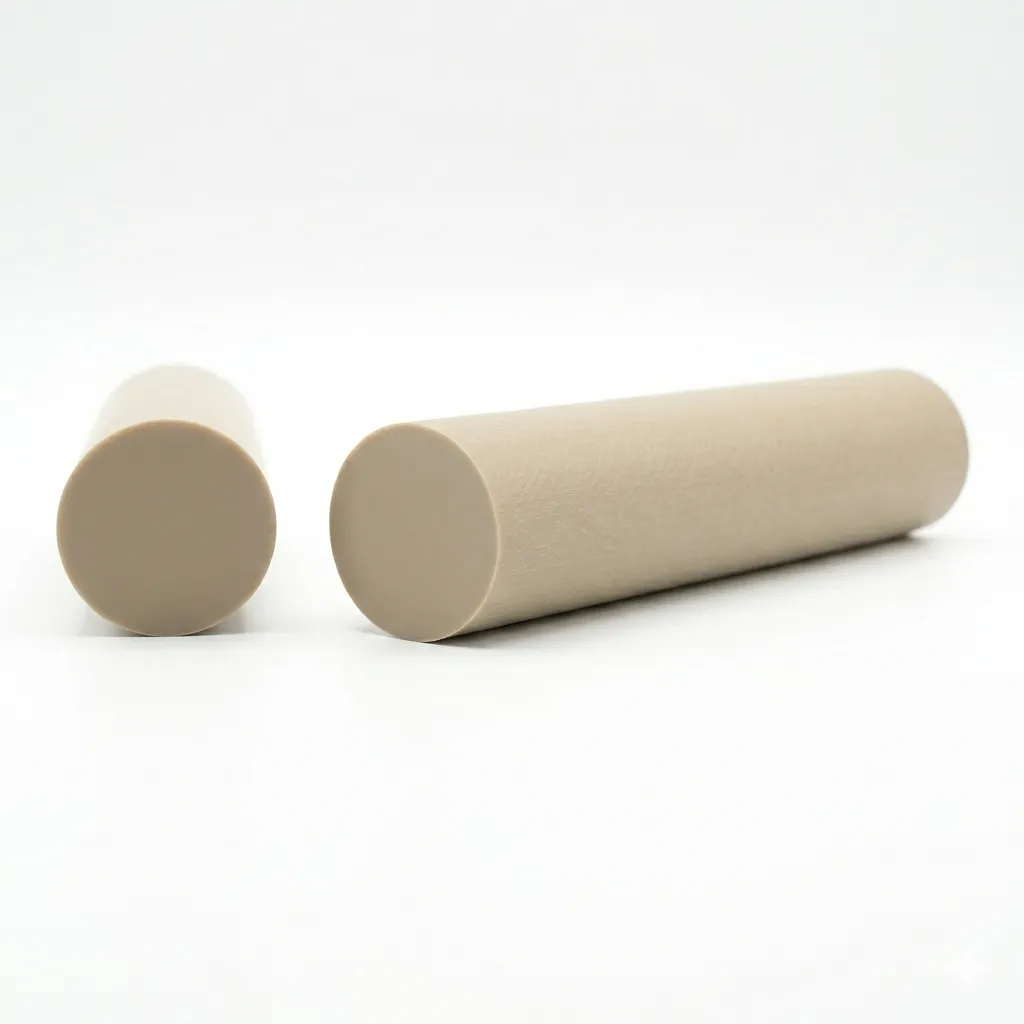
Aerospace plastic rods
Suitable starting stock for bushings, rollers, bearing elements, sleeves and smaller circular geometries.
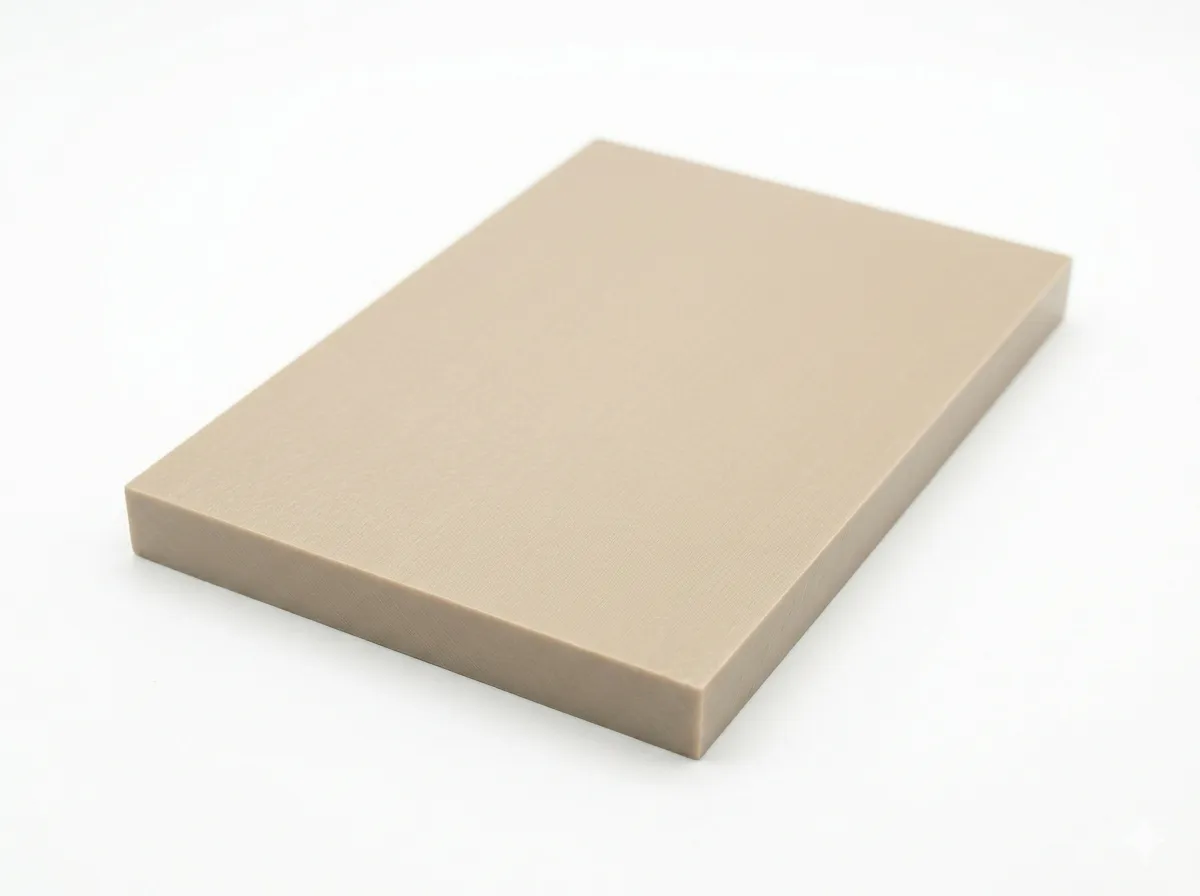
Aerospace plastic sheets
Efficient stock for machining brackets, supports, guides, insulators, fixtures and flat structural hardware.
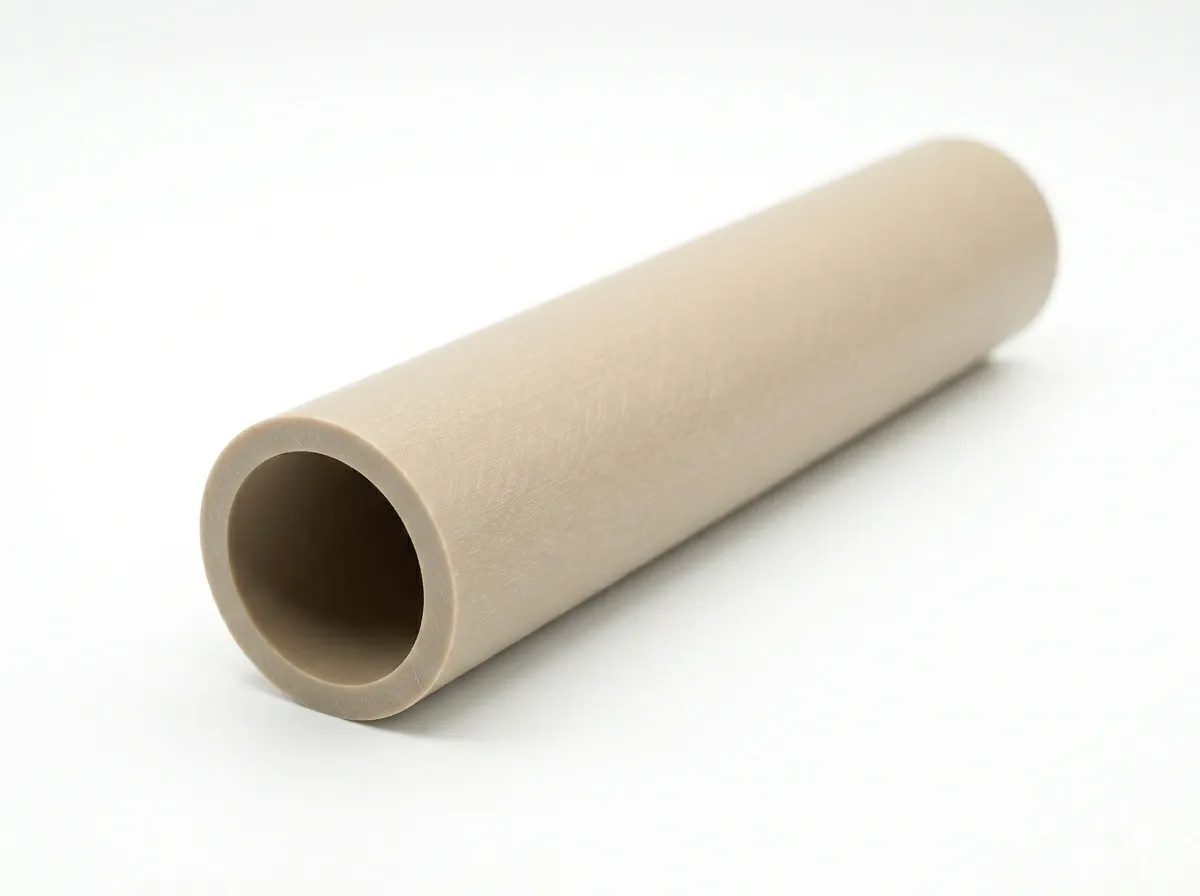
Aerospace plastic tubes
Hollow stock can reduce material removal for rings, sleeves, ducts and tubular components with larger outside diameters.
For every shape, confirm the exact polymer grade, dimensions, quantity, current stock and requested documents before release.
A supply model built around your qualification process
From JEKIN Stock Shape to Your Qualified Aerospace Component
Your drawing, material specification and program requirements remain central to grade and stock-shape selection—even when JEKIN supplies the semi-finished material rather than the final part.
Important: Final design, machining, inspection, qualification and approval remain with the buyer or the buyer's qualified manufacturing partner.
Define service and program requirements
Share temperature, loads, fluids, wear, electrical needs, FST requirements and required documentation.
Select material, grade and form
Shortlist the polymer and grade, then choose rod, sheet or tube based on geometry and machining allowance.
Confirm size, quantity and documents
Request availability, quotation and the technical, batch or compliance documents required for procurement.
Machine, inspect and qualify
Convert the stock shape and validate the component against the drawing, test plan and applicable program requirements.
Information for a useful recommendation
Six Questions to Answer Before Ordering Aerospace Stock
A polymer name alone is not enough. These inputs help narrow the grade and stock form before machining and qualification work begins.
Temperature profile
Continuous and peak temperature, thermal cycling, heat sources and cold-condition performance.
Loads and wear
Static load, impact, vibration, friction, wear, motion frequency and expected service life.
Fluids and chemicals
Hydraulic fluids, fuels, lubricants, cleaners, exposure time and actual operating temperature.
Fire and electrical needs
Required FST test methods, thickness, insulation, dielectric or other electrical requirements.
Geometry and tolerance
Finished dimensions, stock allowance, wall thickness, flatness and stress-relief considerations.
Program documentation
Customer specifications, traceability, TDS, COA, test reports or other documents to be confirmed.
Share the available drawing and operating summary first if some inputs are still open. Missing decision points can be identified before the quotation is finalized.
Aerospace FAQ
Questions Before Ordering Aerospace Stock
Material family, grade, stock form, dimensions and documentation all need to match the aircraft-system requirement.
Does JEKIN machine finished aerospace components?
This page focuses on semi-finished rods, sheets / plates and tubes. The buyer or a qualified machining partner normally machines, inspects and validates the final component against the drawing and program requirements.
Which engineering plastic is best for aerospace applications?
There is no universal answer. PEEK is often evaluated for a balance of thermal, mechanical and chemical performance; PAI for high-temperature strength and wear; PEI for electrical and grade-specific fire-performance needs; PPSU for toughness; and PPS where chemical and thermal performance must be balanced with cost. The exact grade TDS and service conditions control the decision.
Can I order PEEK in rod, sheet and tube form?
PEEK semi-finished stock can be reviewed in round, flat and hollow forms. Confirm the grade, color, dimensions, machining allowance, quantity and current stock for the exact quotation.
Do all PEEK or PEI grades meet aerospace FST requirements?
No. Fire, smoke and toxicity performance depends on the exact grade, part thickness, test method and customer or program requirement. Confirm the applicable specification and request the relevant grade documents before selecting material.
Can you help review compatibility with aircraft fluids?
Share the exact hydraulic fluid, fuel, lubricant or cleaner, along with temperature, pressure, exposure time and duty cycle. Material compatibility should be checked for the real environment and then validated on the finished part.
What information is needed for an aerospace stock quotation?
Include the material or customer specification, grade, stock form, dimensions, quantity, destination and requested TDS, COA, traceability or test documents. A drawing with tolerances and the operating summary helps us review the request efficiently.