
Oil & gas material solutions
Engineering Plastics for Oil & Gas Equipment
PEEK, PAI, PTFE and PPS stock shapes for seals, backup rings, valve components, compressor parts and downhole equipment.
Clear supply scope: Jekin supplies semi-finished engineering plastic materials. Your team or qualified machining partner produces and validates the finished oil and gas component.
Performance starts with the service profile
Select the material against the full operating environment.
Pressure alone does not define an oil and gas application. Temperature, gas composition, fluids, decompression, wear, loading and required service life must be considered together before the grade and stock form are selected.
Pressure and decompression
Review working pressure, pressure cycling and rapid gas decompression risk for the exact geometry, grade and exposure profile.
Temperature range
Confirm continuous, peak and cycling temperatures together with load, creep and the time spent at each condition.
Sour gas and fluids
Identify H₂S, hydrocarbons, drilling fluids, lubricants, cleaners and any mixed-media exposure, including concentration and temperature.
Wear and mechanical load
Evaluate compression, extrusion gaps, impact, friction, abrasion and movement frequency before choosing an unfilled or reinforced grade.
Where stock shapes enter the system
Material options for sealing, flow control and wear components.
The examples below are starting points for discussion, not automatic material approvals. Final suitability depends on the selected grade, component design, service media and customer specification.
Seal and backup rings
Stock for machined sealing and anti-extrusion geometries exposed to pressure, chemicals and repeated cycling.
Often considered: PEEK / PTFEValves and flow control
Materials for valve seats, guides and related components where dimensional stability and media resistance matter.
Often considered: PEEK / PPS / PTFECompressors and pumps
Wear and structural components selected for friction, temperature, chemical exposure and operating load.
Often considered: PAI / PPS / PEEKDownhole tools
High-performance stock for tool components exposed to combined heat, pressure, fluids and mechanical demand.
Often considered: PAI / PEEKBearing and wear parts
Grades considered for bushings, guides, thrust elements and moving interfaces where metal contact or lubrication is undesirable.
Often considered: PAI / PEEK / PPSGaskets and barriers
Chemically resistant material for gaskets, liners, isolation elements and static sealing environments.
Often considered: PTFEMaterial guide
Match the polymer to the service profile.
Compare PEEK, PAI, PTFE and PPS by load, heat, media exposure, friction and dimensional requirements.
A balanced high-performance option where strength, chemical resistance, wear behavior and dimensional stability must work together.
High strength, stiffness and wear capability at elevated temperatures for mechanically demanding component designs.
Broad chemical resistance and low friction for sealing, gasketing and barrier applications where stiffness is not the main priority.
Chemical resistance, thermal capability and dimensional stability for structural, valve and compressor components.
Semi-finished product forms
Choose the stock shape around the finished geometry.
Select rod, sheet or tube according to machining allowance, wall thickness and material utilization. Grade, dimensions and availability should be confirmed at quotation.
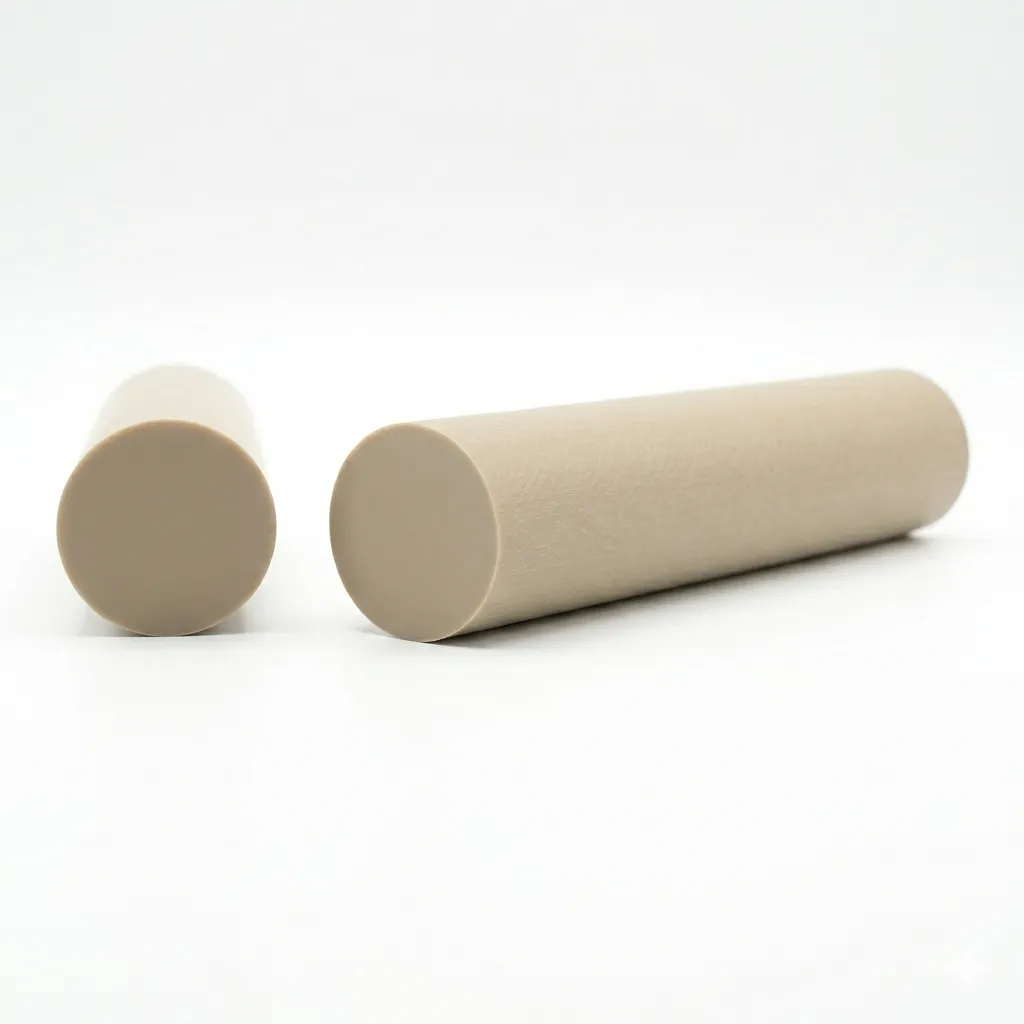
Rods
Starting stock for rings, valve elements, bushings, guides and other circular machined components.
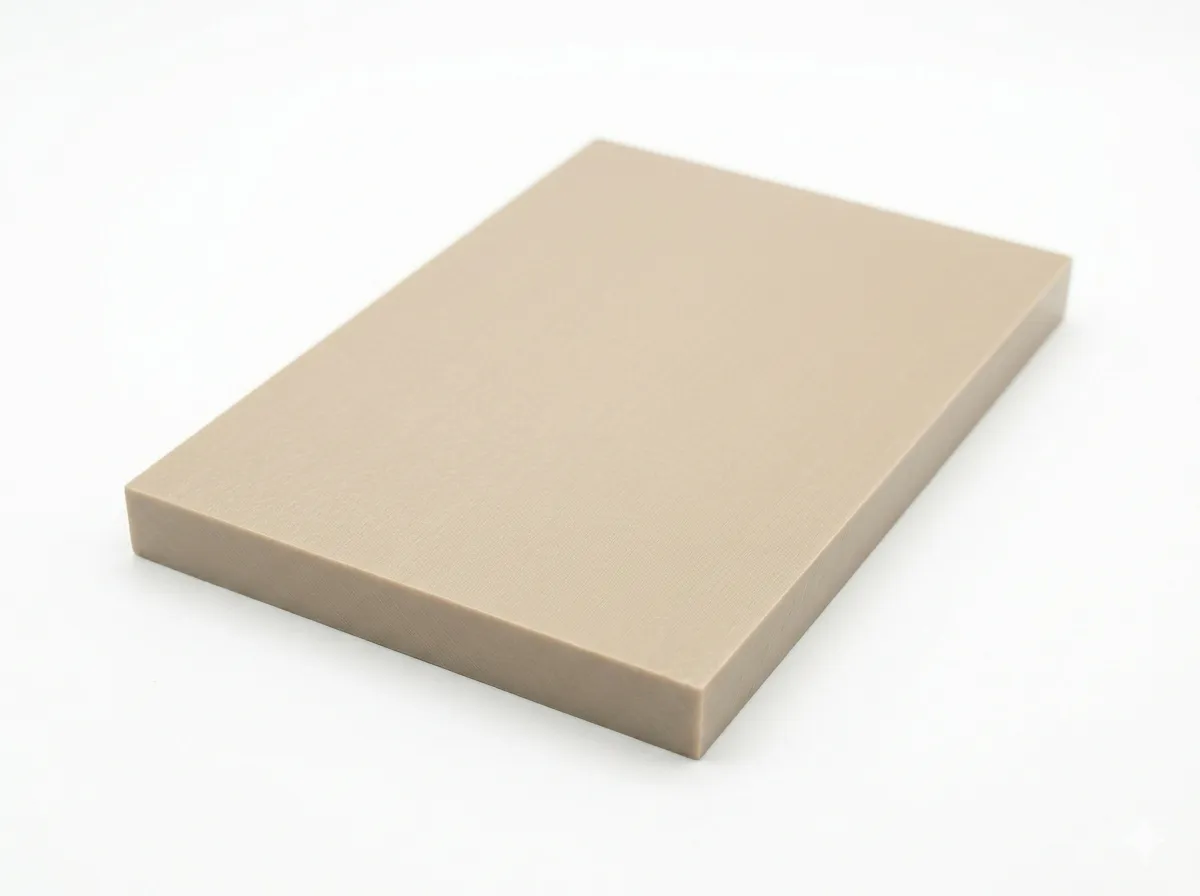
Sheets
Efficient stock for plates, seats, wear pads, guides and flat or profiled equipment components.
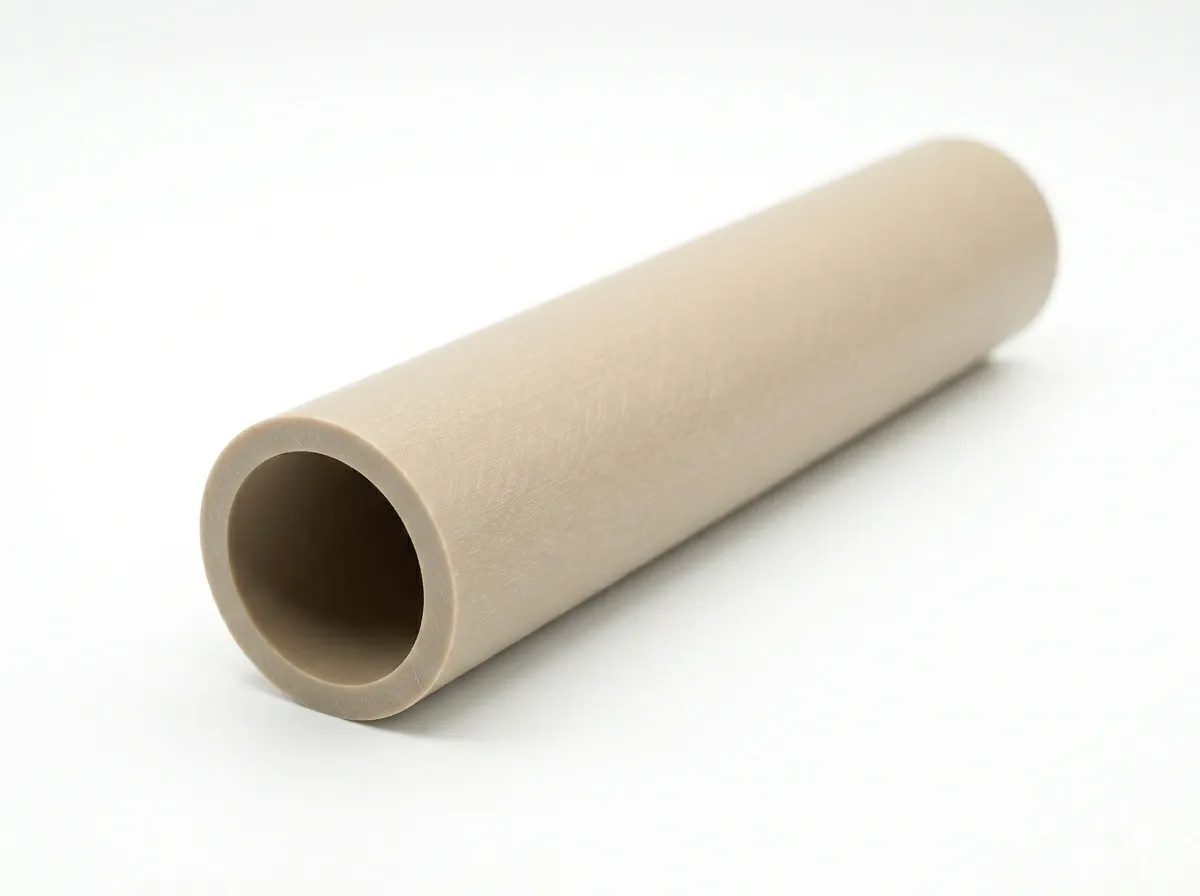
Tubes
Hollow stock can reduce material removal for sleeves, large rings and tubular component geometries.
A supply model built around your machining
From service conditions to a machinable stock shape.
Your application data and drawing guide the material, grade and stock-form discussion—even when Jekin supplies the semi-finished material rather than the finished component.
Important: final component design, machining, inspection, qualification and application validation remain with the buyer or the buyer's qualified partner.
Define the service profile
Share pressure, temperature, media, decompression risk, loading, wear and required service life.
Select material and grade
Shortlist the polymer, then confirm whether an unfilled, filled or specialty grade is appropriate for the requirement.
Confirm stock form and documents
Choose rod, sheet or tube, then request the dimensions, quantity and technical or batch documents needed for procurement.
Machine and validate the component
Your team produces the final geometry and verifies performance under the actual operating and qualification conditions.
Information for a useful recommendation
Six inputs to define before ordering.
A polymer name alone is not enough. These details help narrow the grade, stock form and documentation requirements before machining begins.
01 — Pressure profile
Working and peak pressure, pressure cycles, gas exposure and any rapid decompression concern.
02 — Temperature range
Continuous, peak and cycling temperatures, including the duration and load at temperature.
03 — Fluids and gas composition
Hydrocarbons, H₂S, additives, cleaners, lubricants and other media with concentration and exposure time.
04 — Load and movement
Compression, extrusion gap, impact, friction, abrasion, movement frequency and expected service life.
05 — Geometry and tolerance
Finished dimensions, stock allowance, wall thickness, tolerances and any relevant drawing notes.
06 — Qualification and documents
Customer specifications, traceability, TDS, COA and any project-specific evidence to be confirmed.
Procurement support
Confirm material information before purchase.
Documentation varies by polymer, grade and batch. State the project requirements early so availability can be reviewed with the quotation.
- Technical Data Sheet (TDS)
- Certificate of Analysis (COA), when available
- Grade, filler and color identification
- Available size and stock-form details
- Batch and traceability request
- Packaging and export information
Frequently asked questions
Oil and gas plastic stock shapes FAQ
Short answers for engineering, sourcing and machining teams evaluating high-performance polymer stock.
Does Jekin manufacture finished oil and gas components?
This page focuses on semi-finished rods, sheets and tubes. Buyers or their qualified machining partners produce and validate the finished component.
Which plastic is best for oil and gas service?
There is no universal choice. PEEK may be considered for combined mechanical, chemical and wear demands; PAI for highly loaded wear parts at elevated temperature; PTFE for chemical resistance and low friction; and PPS for chemical, thermal and dimensional performance. The exact grade must be checked against the full service profile.
Can you confirm sour gas or rapid gas decompression suitability?
Suitability can be grade-, geometry- and test-condition-specific. Provide the gas composition, pressure, temperature, cycle profile and required customer specification so the available material information can be reviewed.
Can I order rod, sheet and tube?
Jekin supplies semi-finished engineering plastic stock shapes. Available polymers, grades, dimensions, colors and lead times should be confirmed for each inquiry.
Can you confirm chemical compatibility?
Share the exact fluids or gases, concentration, temperature and exposure duration. General compatibility information can support selection, but the buyer should validate the final material under actual service conditions.
What information is needed for a quote?
Provide material or performance requirements, stock form, dimensions, quantity, destination and required documentation. A drawing can help explain final geometry even when only stock material is being purchased.
Start with the service profile
Source stock material for the operating conditions.
Tell us the polymer, grade, shape, size and quantity—or share the pressure, temperature, media and loading requirements if material selection is still open.