
Mechanical engineering material solutions
Engineering Plastics for Mechanical Components
Machinable POM, PA, PEEK, PTFE and PPS stock shapes for gears, bearings, bushings, rollers, guides, wear parts and equipment components.
Clear supply scope: Jekin supplies semi-finished engineering plastic materials. Your team or qualified machining partner produces and validates the finished mechanical component.
Performance starts with the operating profile
Select the material around load, motion and environment.
A mechanical component is defined by more than its drawing. Load direction, movement, friction, temperature, chemicals, moisture, tolerances and target service life should be considered together before the polymer, grade and stock form are selected.
Load and creep
Review static and dynamic loads, contact stress, impact, unsupported span and the time the component remains under load.
Friction and wear
Define the mating surface, speed, lubrication, debris, duty cycle and acceptable wear before choosing a bearing or wear grade.
Temperature and media
Confirm continuous and peak temperatures together with oils, cleaners, process chemicals and any mixed-media exposure.
Dimensions and moisture
Match tolerances and fit to thermal expansion, moisture response, machining stress and the actual assembly environment.
Where stock shapes enter mechanical systems
Machinable materials for motion, wear and structural parts.
These examples are starting points for material discussion, not automatic approvals. Final suitability depends on the selected grade, component design, operating conditions and customer validation.
Gears and sprockets
Stock for machined power-transmission parts where noise, weight, wear and dimensional control influence selection.
Often considered: POM / PA / PEEKBearings and bushings
Material options for sliding interfaces, pivots and rotating assemblies with defined load, speed and lubrication conditions.
Often considered: POM / PA / PTFE / PEEKRollers and guides
Machinable stock for conveyor, packaging and handling equipment where tracking, wear and surface interaction matter.
Often considered: POM / PAWear pads and slides
Flat or profiled wear components used to manage friction, protect mating surfaces and support repeated movement.
Often considered: POM / PA / PTFEPump and valve parts
Structural, wear and flow-control geometries where fluids, temperature, loading and machinability must be reviewed together.
Often considered: PEEK / PPS / PTFEFixtures and insulators
Machined supports, nests, spacers and electrical isolation parts for production equipment and test systems.
Often considered: POM / PEEK / PPSMaterial guide
Compare engineering plastics by the complete duty cycle.
Shortlist POM, PA, PEEK, PTFE and PPS by load, wear, temperature, media exposure, moisture and dimensional requirements.
A widely considered machining material where dimensional control, low friction and balanced mechanical performance are important.
Tough, wear-capable material options for mechanical parts where impact, abrasion and component size influence the design.
A high-performance option where mechanical load, heat, chemicals, wear and dimensional stability must work together.
Low friction and broad chemical resistance for sliding, sealing and isolation duties where stiffness is not the main priority.
Chemical resistance, thermal capability and dimensional stability for equipment parts exposed to demanding process environments.
Semi-finished product forms
Choose the stock shape around the finished geometry.
Select rod, sheet or tube according to machining allowance, wall thickness and material utilization. Polymer, grade, dimensions and availability should be confirmed at quotation.
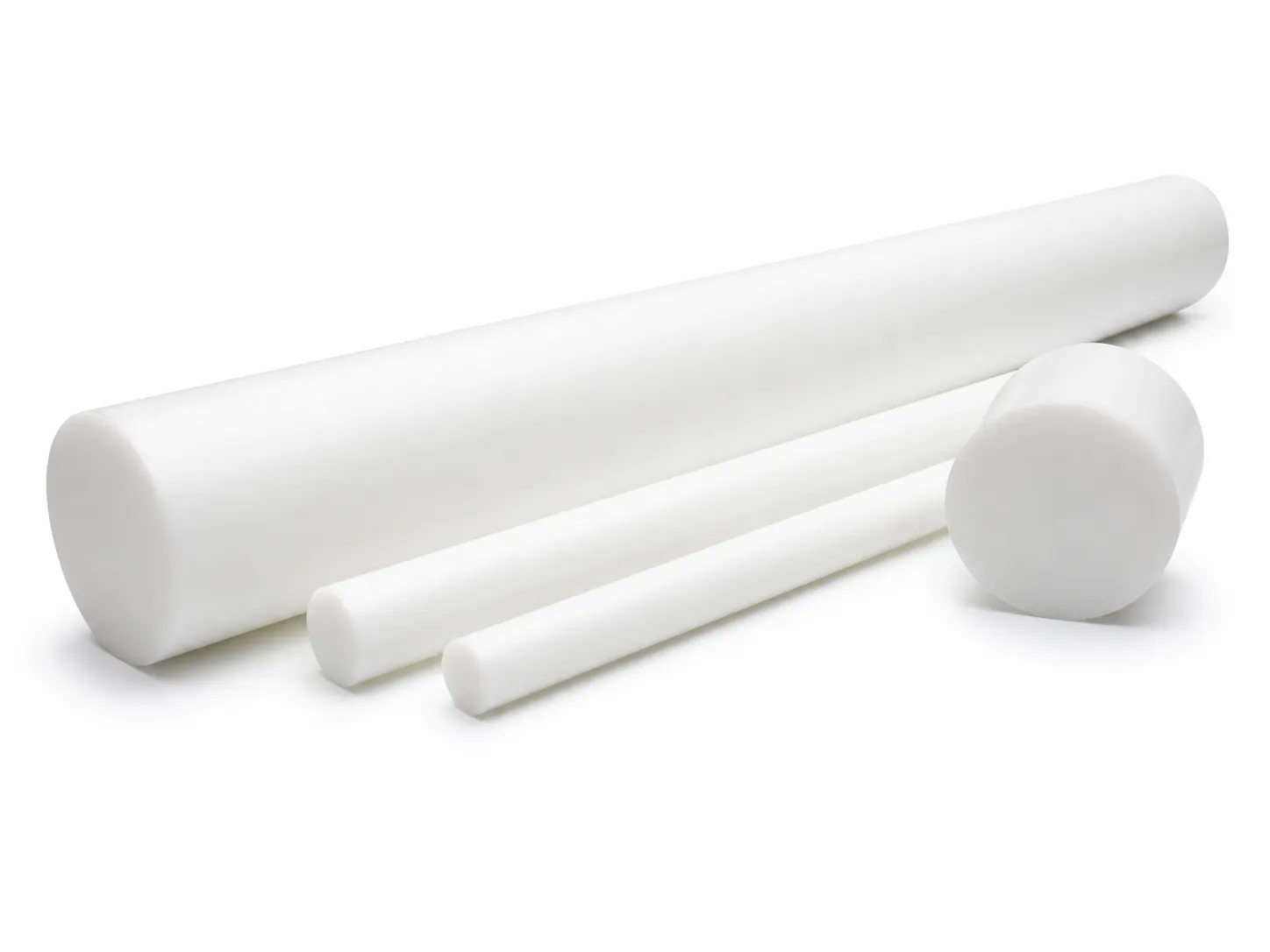
Rods
Starting stock for gears, bushings, bearings, rollers, pins and other round machined components.
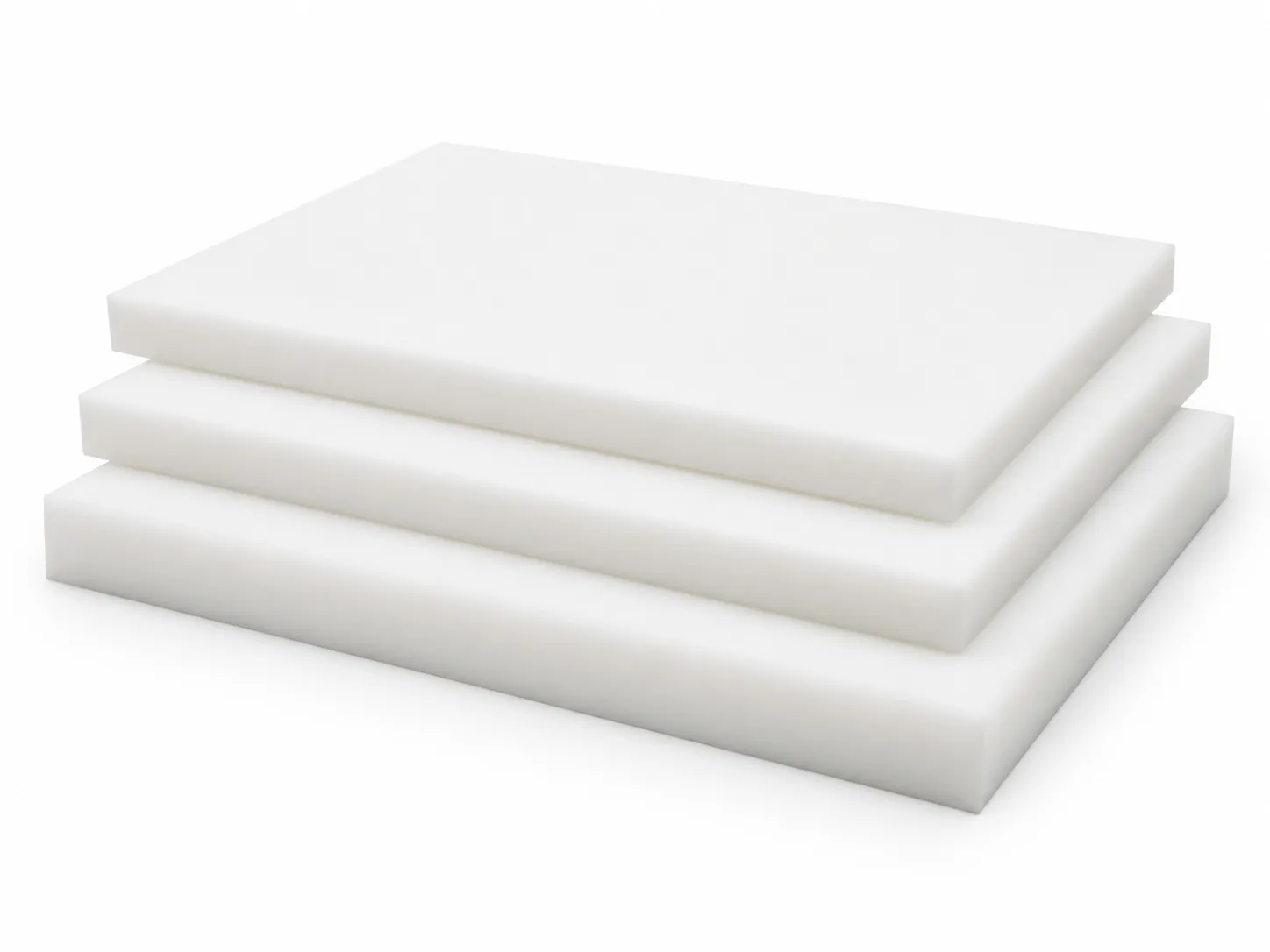
Sheets
Efficient stock for wear pads, slides, guides, fixtures, plates and flat or profiled equipment components.
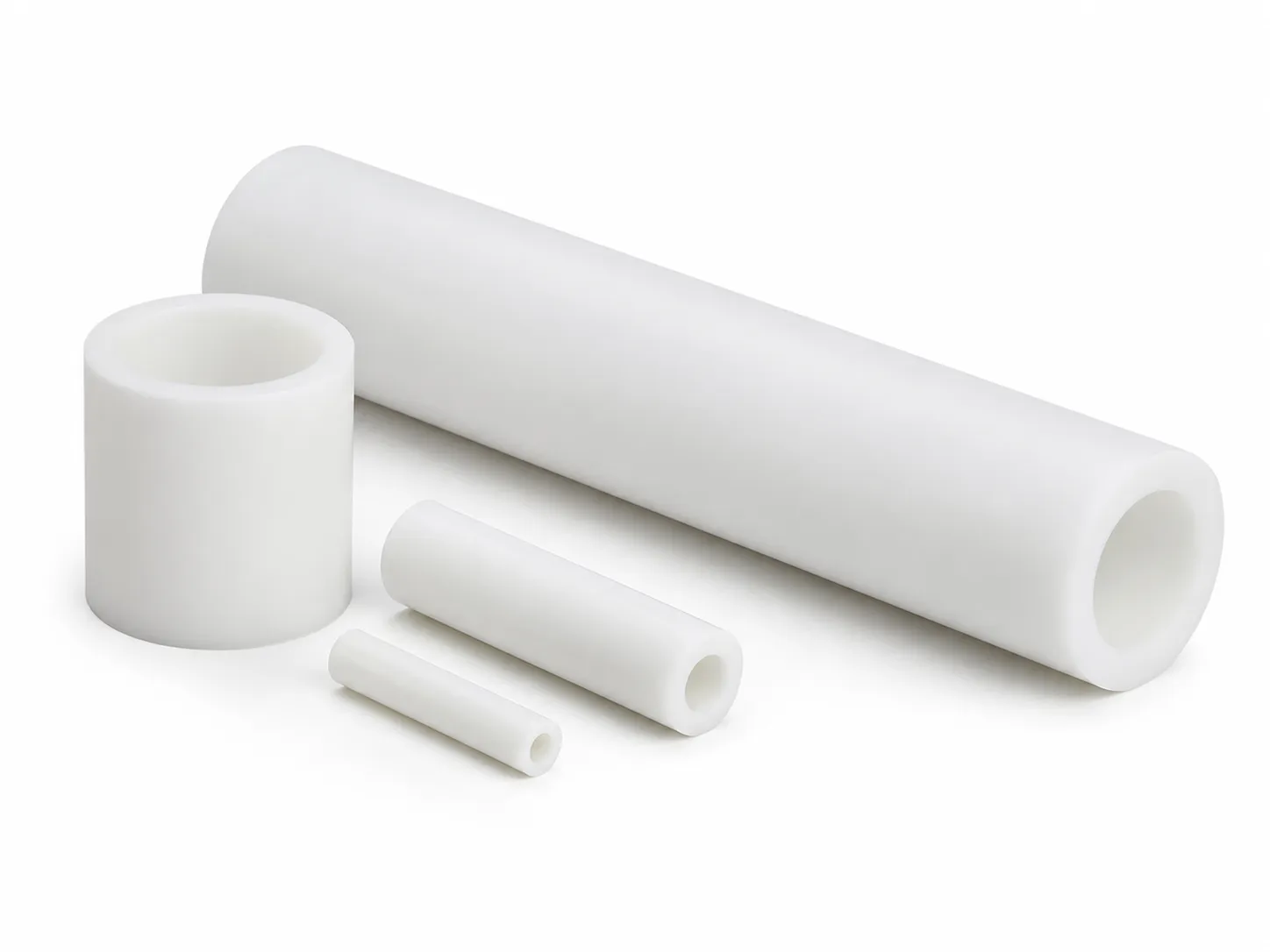
Tubes
Hollow stock can reduce material removal for sleeves, large bushings, rings and tubular component geometries.
A supply model built around your machining
From operating requirements to a machinable stock shape.
Application data and drawings guide the material, grade and stock-form discussion—even when Jekin supplies the semi-finished material rather than the finished component.
Important: Final component geometry, machining practice, tolerances and validation remain part of the buyer's or machining partner's manufacturing process.
Define the duty cycle
Share load, movement, speed, friction, temperature, media, moisture and expected service life.
Select material and grade
Shortlist the polymer, then confirm whether an unfilled, filled or wear grade is appropriate for the requirement.
Confirm stock form and documents
Choose rod, sheet or tube, then request the dimensions, quantity and technical or batch documents needed for procurement.
Machine and validate the component
Your team produces the final geometry and verifies fit and performance under actual operating conditions.
Application checklist
Six inputs to define before ordering mechanical stock.
Clear operating data reduces the risk of selecting a polymer or stock form that does not match the finished component.
01 — Load profile
Static and dynamic loads, contact stress, impact, unsupported span and time under load.
02 — Motion and wear
Sliding or rotation, speed, mating surface, lubrication, contamination and acceptable wear.
03 — Temperature and media
Continuous and peak temperature, oils, cleaners, process chemicals and exposure duration.
04 — Environment
Moisture, washdown, outdoor exposure, debris, electrical needs and other service conditions.
05 — Geometry and tolerance
Finished dimensions, stock allowance, wall thickness, fits, tolerances and relevant drawing notes.
06 — Documents and validation
Customer specifications, traceability, TDS, COA and any application-specific evidence to confirm.
Information and documentation
Confirm the material information before purchase.
Document availability can vary by polymer, grade and batch. State the required documents in the inquiry so they can be reviewed with the material and quotation.
- Technical data sheet, where available
- Certificate of analysis or batch document, where available
- Material and grade identification
- Dimensions, tolerances and stock-form details
- Traceability requirements stated before order
- Application-specific evidence to be agreed separately
Frequently asked questions
Mechanical engineering plastic stock shapes FAQ
Selection starts with the real duty cycle, not the application name alone.
Does Jekin machine finished mechanical components?
Jekin's stated supply scope is semi-finished engineering plastic materials. Confirm any machining requirement separately before ordering.
Which engineering plastic is best for gears or bearings?
There is no universal choice. Load, speed, mating surface, lubrication, temperature, moisture, chemicals, dimensions and service life all influence selection.
How do I choose between POM and PA?
Compare the required dimensional control, toughness, wear conditions, moisture exposure, component size and operating environment. The exact grade also matters.
When should PEEK or PPS be considered?
They may enter the discussion when heat, chemicals, load or dimensional requirements exceed the intended range of standard engineering plastics. Suitability remains grade- and application-specific.
Can I order rod, sheet and tube?
Jekin supplies semi-finished engineering plastic stock shapes. Available polymers, grades, dimensions, colors and lead times should be confirmed for each inquiry.
What information is needed for a quote?
Provide material or performance requirements, stock form, dimensions, quantity, destination and required documentation. A drawing can help explain the finished geometry even when only stock material is being purchased.
Start with the duty cycle
Source stock material for your mechanical component.
Tell us the polymer, grade, shape, size and quantity—or share the load, movement, temperature, media and dimensional requirements if material selection is still open.